7 DIY Photo Backdrop Ideas Everyone Should Try
-
 Loading...
 - Lily Pickford
- 08 Sep 2022
- 64 Views
- 0 Like
- 0 Comment
Your choice of backdrop can have a huge impact on the final look of your photos; it’s why professional food, product, still life, and portrait photographers often spend hundreds or even thousands of dollars on backgrounds sold by photography shops.
But if you’re looking to dive into studio photography and you don’t have a huge budget, never fear! Because with a bit of creativity and effort, you can create DIY photo backdrops that’ll look just as good as the professional alternatives.
I use DIY backgrounds all the time in my own photos, and after years of experimentation, I know the backdrop ideas that work (and the ones that are best avoided).
Let’s do this!
1. The painted canvas backdrop
Want a magazine-quality backdrop? Then go for a painted canvas background, which looks amazing in still life photos, food photos, and so much more.
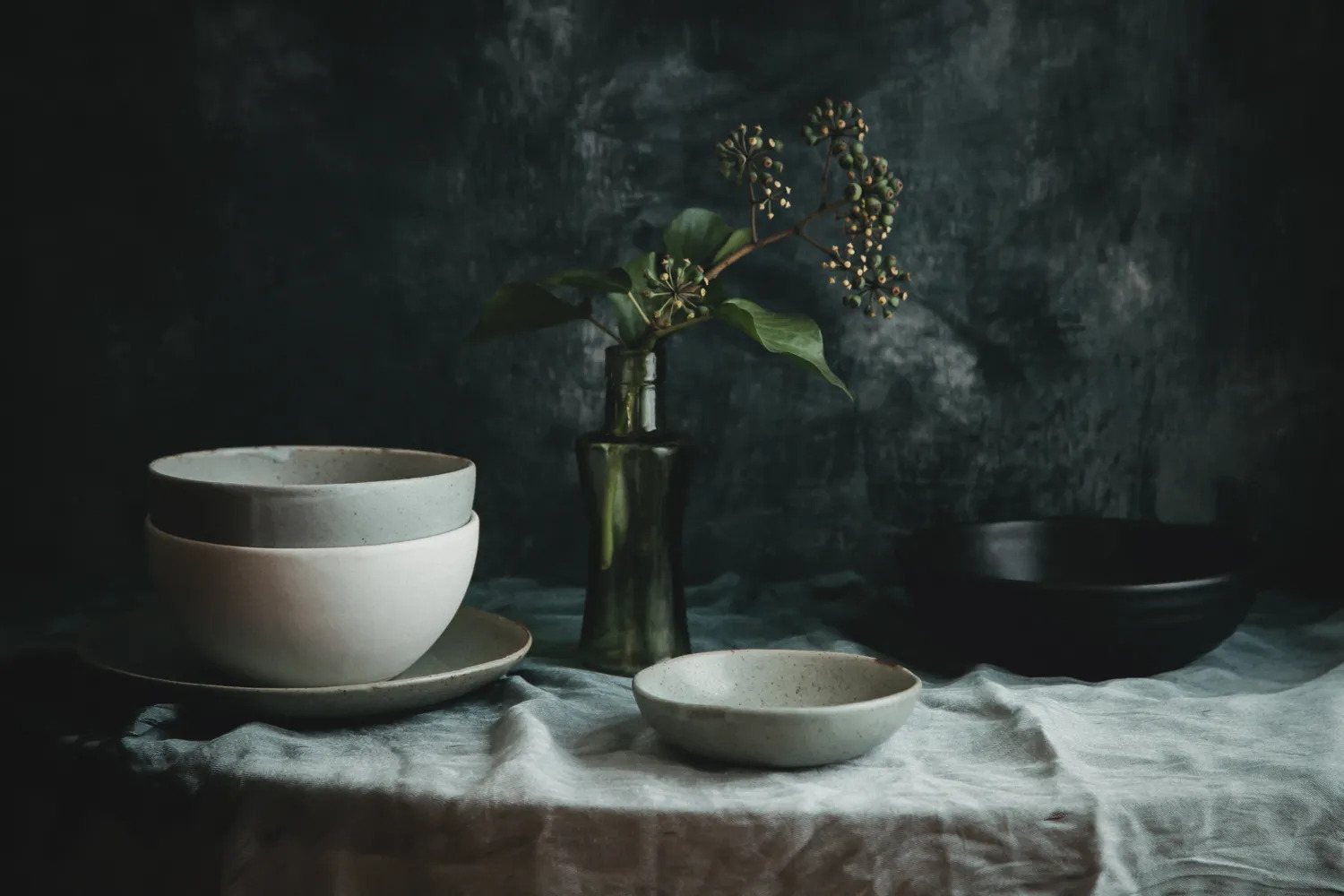
Here’s a DIY painted canvas backdrop in action:

Beautiful, right? It offers texture and harmonious colors, plus it just feels refined. Professionals often purchase expensive (and handpainted) canvas backdrops, but you can make your own for a fraction of the retail price.
Here’s how it works:
First, go to your local hardware store and buy a canvas drop cloth. These are designed to protect the floor when painting interiors and shouldn’t set you back too much money.
Canvas drop cloths are usually pretty large. If you want to shoot food or products, you might consider cutting your cloth into four pieces; that way, you can create four backgrounds using your single stretch of fabric. (And if you paint on both sides of the canvas, you can create a whopping eight backgrounds!)
While you’re at the hardware store, grab two or three paint samples for each backdrop. Similar tones tend to work well together (e.g., a light blue and a dark blue). Note that the canvas soaks up a lot of the paint, so you may need to purchase primer or use more paint than expected.
Once you get home, spread out the canvas in a spacious, well-ventilated room, then layer the paint onto the fabric using a small, good-quality roller. Move the roller in different directions to create plenty of random texture.
If you want to add even more texture, use a large sea sponge or a scrunched-up rag. Dip it into the paint, then randomly press it onto the canvas.
If all goes well, you’ll end up with a natural texture that enhances – but doesn’t compete with! – your subject: