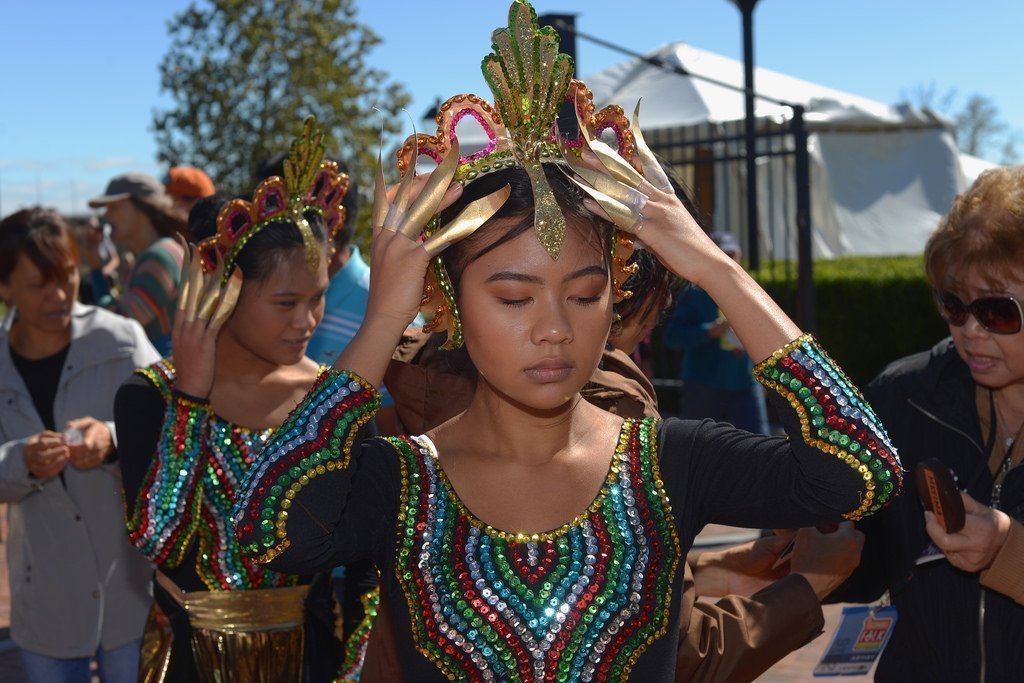
5 Unique Filipino Traditions

The Philippines is a captivating melting pot of diverse cultures, each with its own enchanting customs and practices. As one of the most vibrant and lively countries in Southeast Asia, the Philippines boasts a treasure trove of unique traditions that offer a glimpse into the soul of this archipelagic nation. From vibrant festivals to age-old rituals, these time-honored Filipino customs are a testament to the country's rich heritage and the enduring spirit of its people. Prepare to be enchanted as we delve into 5 of the most unique and fascinating Filipino traditions.

1. Pampanga's Giant Lantern Festival
Every December, the city of San Fernando in Pampanga province transforms into a dazzling display of light and color during the Giant Lantern Festival, also known as the "Christmas Capital of the Philippines." This annual event traces its roots back to the 19th century and has become one of the most iconic Filipino traditions.
The festival's centerpiece is the stunning "parols" - gigantic, intricate lanterns that can reach up to 20 feet in diameter. These mesmerizing creations are meticulously crafted by local artisans using a variety of materials, including bamboo, paper, and even recycled materials. The parols are then adorned with vibrant LED lights that create a mesmerizing kaleidoscope of colors, patterns, and designs.
As the sun sets, the streets of San Fernando come alive with the sound of music and the glow of the giant lanterns. Locals and visitors alike gather to witness the grand parade, where the parols are paraded through the streets, their lights pulsing and swaying in a captivating display. The festival culminates in a grand competition, where the most impressive and innovative parols are awarded prizes.

2. Panagbenga Festival
The Panagbenga Festival, also known as the Baguio Flower Festival, is a vibrant celebration of the city of Baguio's rich floral heritage. Held every February, the festival is a riot of color, music, and pageantry that pays homage to the city's lush gardens and thriving flower industry.
The festival's name, "Panagbenga," is a Kankanaey word that means "a season of blooming." This aptly describes the festival's focus on the region's abundant flora, which is showcased in a variety of ways. One of the festival's highlights is the Grand Float Parade, where intricate, flower-adorned floats wind their way through the streets, accompanied by lively music and energetic dancers.
Another popular event is the Flower Market, where visitors can browse an impressive array of locally grown flowers, including the iconic Baguio roses, as well as a variety of other blooms. The festival also features art exhibits, cultural performances, and a vibrant street market, all of which celebrate the city's rich heritage and natural beauty.
3. Dinagyang Festival
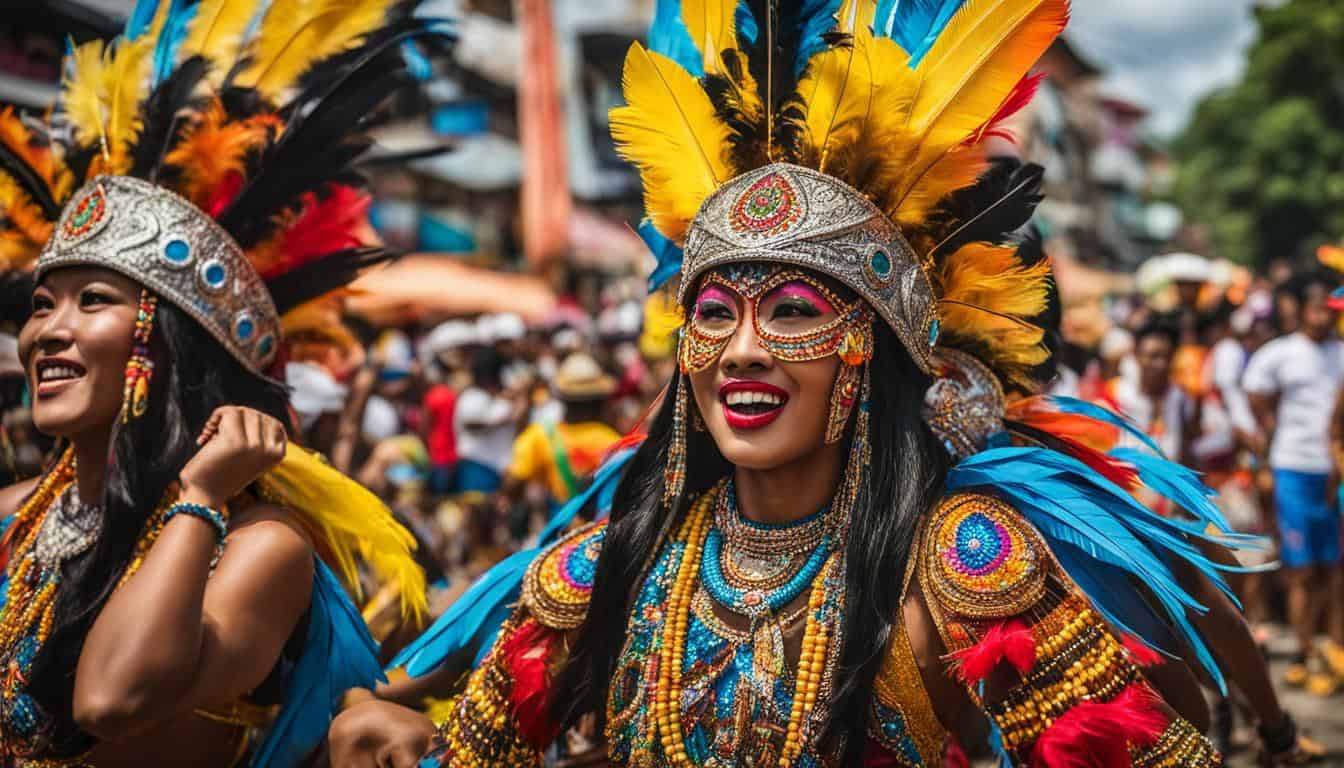
The Dinagyang Festival, held every fourth Sunday of January in Iloilo City, is a vibrant celebration of the city's patron saint, the Santo Niño (Holy Child Jesus). This raucous festival is a riot of color, music, and energy, as thousands of revelers take to the streets in an exuberant display of faith and cultural pride.
The festival's centerpiece is the Dinagyang Mardi Gras, where participants don elaborate costumes and masks, and dance to the pulsing beat of drums and chants. These costumed dancers, known as the "Ati-Atihan," are believed to represent the indigenous Ati people, who were the first inhabitants of the Philippines.
The festival also features a grand parade, where participants carry colorful images of the Santo Niño through the streets, accompanied by traditional music and dance. The festival culminates in a grand mass and a spectacular fireworks display, as the city celebrates its deep-rooted connection to the beloved Santo Niño.
4. Simbang Gabi
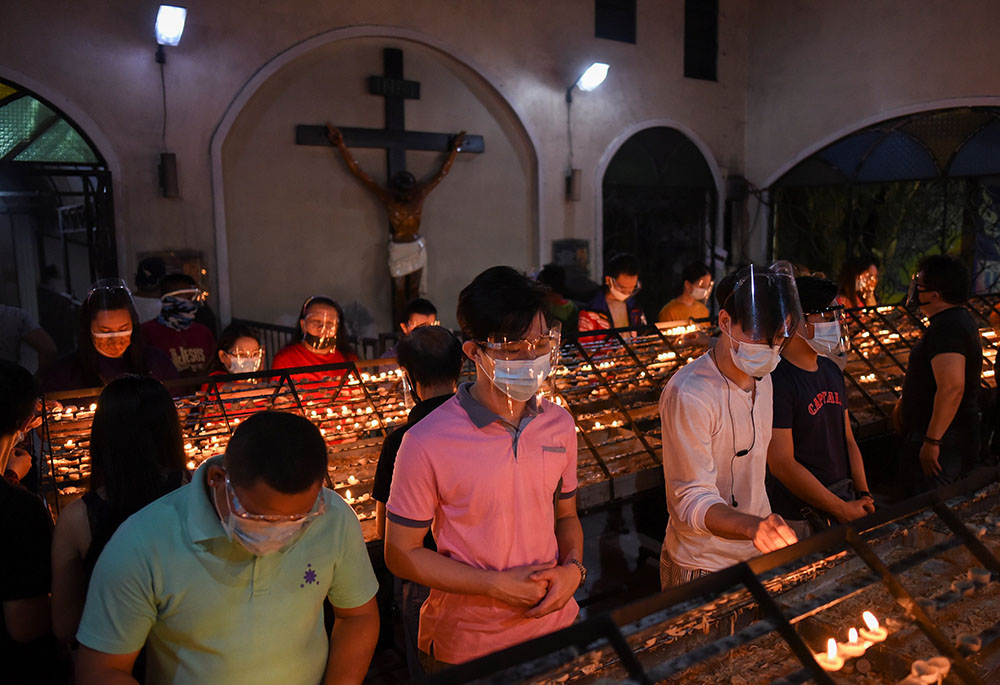
Simbang Gabi, also known as the "Misa de Gallo" or "Misa de Aguinaldo," is a beloved Filipino tradition that takes place during the Christmas season. For nine consecutive days leading up to Christmas Eve, Filipinos across the country attend special pre-dawn masses, known as Simbang Gabi, in honor of the Blessed Virgin Mary.
These early-morning masses, which typically begin around 4 am, are a cherished part of the Filipino Christmas experience. Families and communities come together to attend the services, which are often accompanied by the ringing of church bells and the aroma of traditional Filipino delicacies, such as puto bumbong and bibingka.
The Simbang Gabi tradition is believed to have originated in the 16th century, when Spanish colonizers introduced Catholicism to the Philippines. Over the centuries, the practice has become deeply ingrained in Filipino culture, with many Filipinos believing that completing the nine-day novena will bring them good luck and blessings in the new year.
5. Bayanihan
Bayanihan is a uniquely Filipino concept that embodies the spirit of communal cooperation and mutual aid. The word "bayanihan" is derived from the Tagalog words "bayan," meaning "town" or "community," and "tulong," meaning "help" or "assistance."
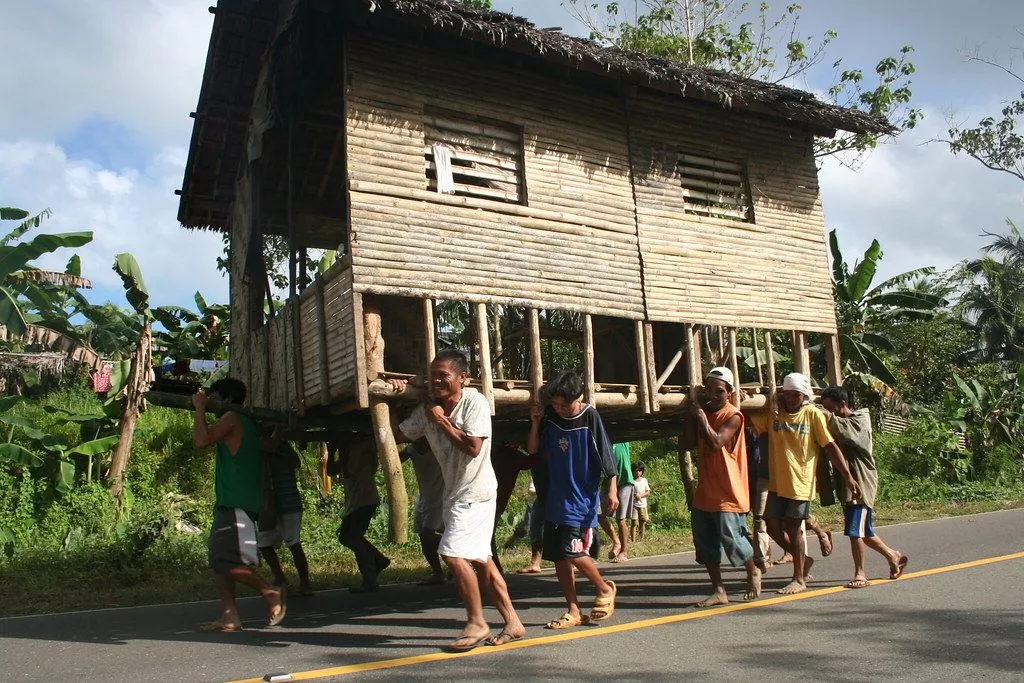
At its core, bayanihan is the practice of neighbors and community members coming together to help one another, particularly in times of need. This can take many forms, from collectively rebuilding a damaged home after a natural disaster to assisting a family in moving to a new location by literally carrying their entire house on their shoulders.
The bayanihan spirit is deeply rooted in the Philippines' rich cultural heritage and is often seen as a source of national pride. It is a testament to the Filipino people's resilience, compassion, and unwavering sense of community. In a country that is prone to natural disasters and economic challenges, the bayanihan tradition has played a crucial role in helping communities overcome adversity and thrive.
Conclusion
The Philippines is a country that is brimming with unique and captivating cultural traditions, each one a testament to the rich heritage and enduring spirit of the Filipino people. From the dazzling Giant Lantern Festival to the communal spirit of bayanihan, these customs offer a glimpse into the heart and soul of this vibrant nation.
As you explore the Philippines, be sure to immerse yourself in these time-honored traditions, for they are not just a reflection of the past, but a living, breathing testament to the enduring resilience and creativity of the Filipino people. Whether you're witnessing the Dinagyang Mardi Gras or attending a Simbang Gabi mass, you'll be treated to a truly unforgettable and enriching cultural experience.
So, what are you waiting for? Dive into the enchanting world of Filipino traditions and let yourself be swept away by the vibrant colors, the pulsing rhythms, and the warmth of the Filipino people. It's an adventure you'll never forget!


