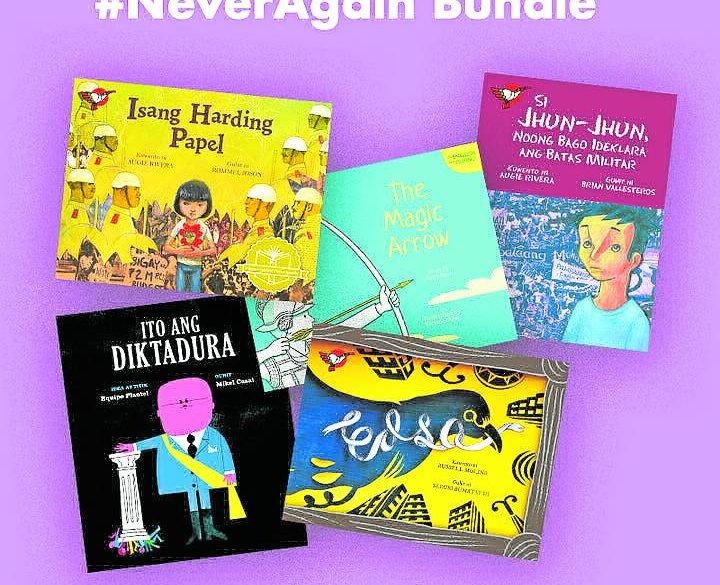
5 books that explain #NeverAgain to your kids

In commemoration of the Edsa Revolution, Adarna Publishing House (adarna.com.ph) released a #NeverAgain bundle, five children’s books on dictatorship, Edsa and martial law.
Since my children’s school has subscribed to it, we were able to access these books and made our Edsa Day a bit more meaningful.
Since the topic is heavy, we didn’t read everything in one go; we made a weekend of it.
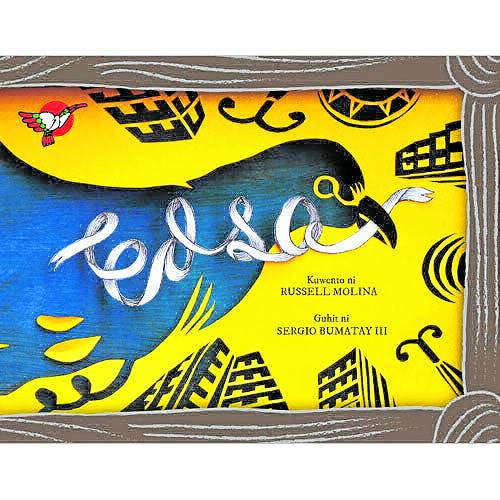
“Edsa” (for ages 8 and up; P99), story by Russell Molina, illustrations by Sergio Bumatay III
We read this one first. It was a counting book showing various moments during the Edsa Revolution. I had to translate the Filipino and explain the drawings for context lest its meanings go over my kids’ heads. I grew up seeing those visuals of tanks, nuns and flowers, and was actually there with my dad on the last day.
We can easily take this for granted and expect today’s kids to be familiar with these images, too. This book is a unique way to remember this major historical event with them.
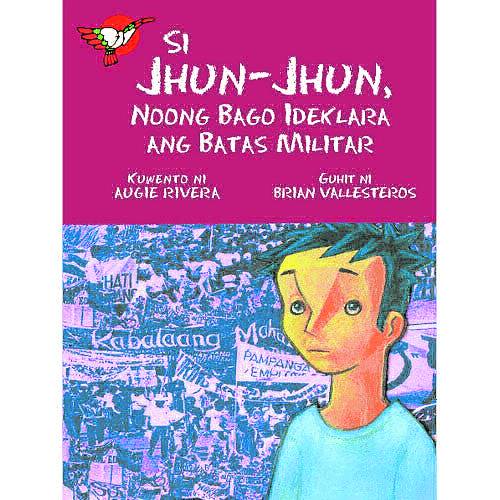
‘Si Jhun-Jhun, Noong Bago Ideklara ang Batas Militar’ (for ages 10 and up; P99), story by Augie Rivera, illustrations by Brian Vallesteros
This was in English and Filipino so it saved me the translation but I still had to clarify situations and ask my kids questions to check not only for comprehension but also to know what they felt.
Jhun-Jhun plays tumbang preso with his friends, and wonders why his kuya no longer plays with him and is always away from home. He gets a shocking, firsthand experience at a Mendiola rally.
The book gave a glimpse of how life was “back in the day” as well as children’s rights during these times.
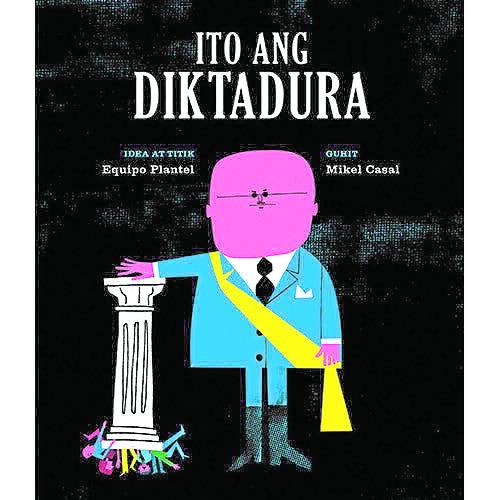
“Ito ang Diktadura” (for ages 10 and up; P149), idea and text by Equipo Plantel, illustrations by Mikel Casal
What is it like to live in a dictatorship? This book is part of a series in Barcelona called Books for the Future. It was translated into Filipino, and is still relevant to this day, noting that when the book first came out in 1977, there were about 40 countries in a dictatorship; 40 years later, there are still 36. Perhaps the future still has not come, the book observed, but maintained hope that freedom will come soon.
It also mentioned dictatorships in the guise of democracies, countries with dirty elections with rampant cheating and corruption, no respect for human rights and leaders who lie.
Among the 24 portraits of dictators worldwide, Ferdinand Marcos joins the ranks of Mao Zedong, Saddam Hussein and Adolf Hitler. There is a short quiz at the end of the book, with a call for young readers to send in their opinions and answers to questions to Adarna House. Read More…