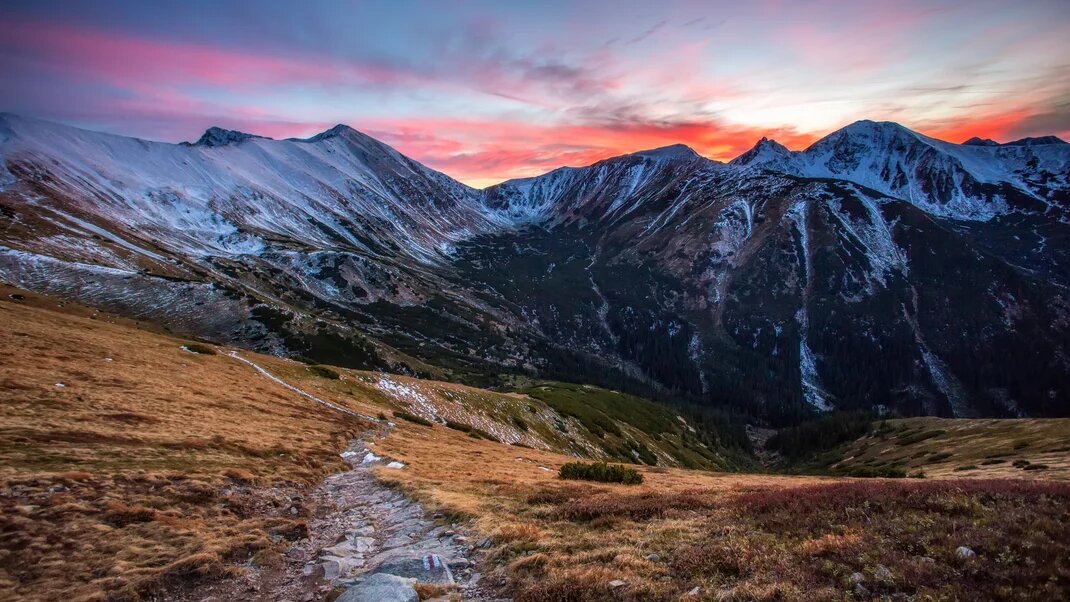
4 Must-Do Hikes In Poland
-
 Loading...
 - Okland Ragnar
- 29 May 2023
- 63 Views
- 0 Like
- 0 Comment
Explore the paths of a hiker and discover a journey that uplifts the spirit. It begins with a quest for breathtaking vistas in the heart of untamed landscapes and expands to encompass coveted destinations. Primeval forests, panoramic ridges, and charming huts become the allure for those seeking hikes that intertwine with vibrant cultures.
Consider Poland, a vast and wild country boasting over 20 national parks and some of Europe's last untouched scenery. Hikers can venture deep into ancient forests or traverse alpine meadows leading to shimmering mountain lakes. At day's end, one can set up a tent or savor a refreshing pint in a local village. Here are some inspiring ideas to enrich your hiking experience.
1. Bieszczady Mountains
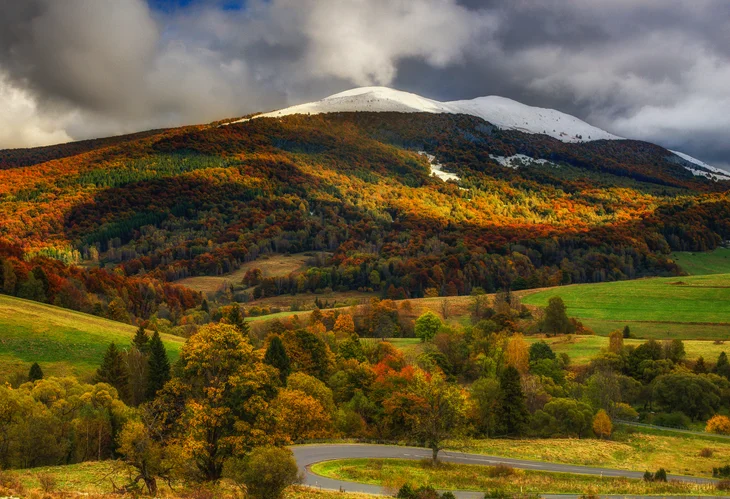
In the colorful and undulating Bieszczady range, spanning approximately 72,000 acres, around a dozen trails meander through the acclaimed Bieszczady National Park. Ambitious hikers with ample time can piece together routes lasting up to ten days, following paths that descend into quaint villages and ascend to the renowned high mountain meadows known as "polonyna." To reach the enchanting Połonina Wetlińska, considered one of the most beautiful, embark on a two-hour hike from Przełęcz Wyżna, ascending to approximately 4,100 feet. There, you will find a rustic hut named Chatka Puchatka, devoid of modern amenities, serving as a base for further exploration of neighboring peaks. For a panoramic view of the entire region, embark on a challenging but popular two-hour hike from Wolosate to the 4,416-foot summit of Tarnica, the highest peak in the area, ascending nearly 2,000 vertical feet.
2. Trail of the Eagle's Nests
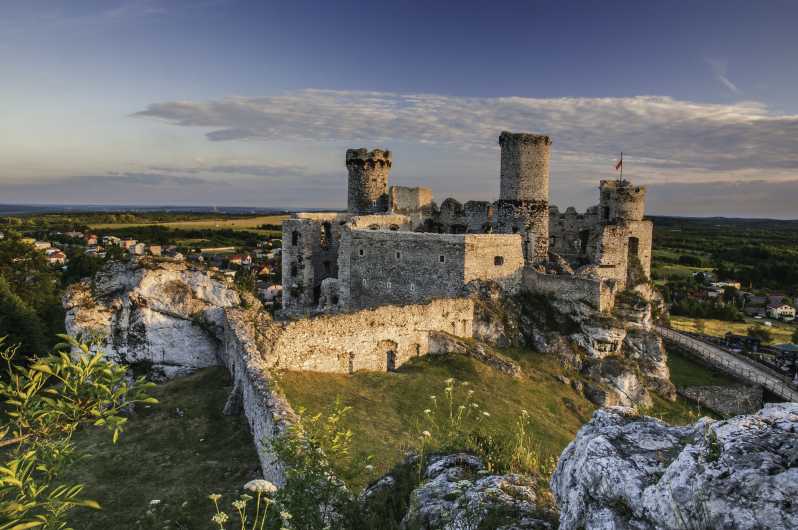
During the mid-1300s, King Casimir III of Poland ordered the construction of a series of fortresses on rocky outcrops to safeguard the capital city of Krakow and protect trade routes from potential invaders. Today, a 95-mile north-to-south route connects these historic "eagle's nests," starting in Częstochowa and concluding at the Wawel Royal Castle in Krakow, which now serves as a national museum displaying intricate coffered ceilings and an expansive dance hall. Along this journey, you will traverse forest footpaths and country lanes, surrounded by idyllic landscapes punctuated by limestone monadnocks rising above woodlands. Highlights of each day include watchtowers and other fortifications such as Bobolice, Ojcow (likely named by King Casimir himself), and Ogrodzieniec—a collection of magnificent ruins perched on a 1,691-foot-high outcrop in the Jurassic Highlands.
3. Chuda Przelaczka Loop, Tatra Mountains
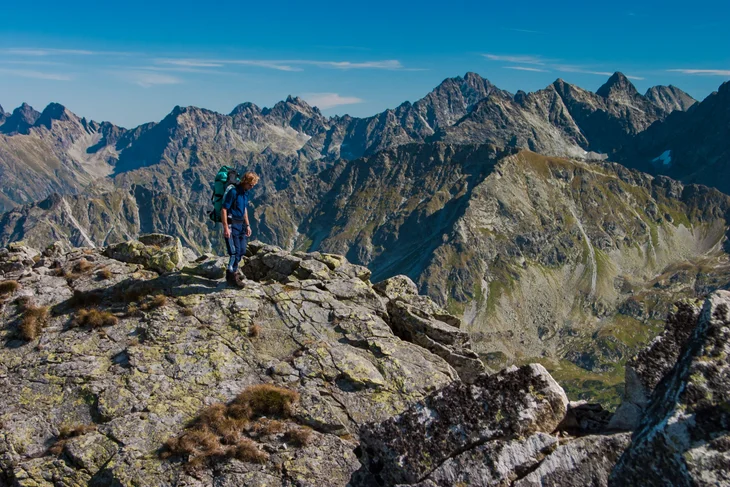
The Tatra Mountains, with their rugged summits, sweeping valleys, and glistening lakes, rival the grandeur of the Alps and offer trails of comparable quality. It's no wonder that Pope John Paul II cherished this heavenly range. Begin your adventure in Zakopane and embark on the ten-mile Chuda Przelaczka Loop, which takes you on a 3,500-vertical-foot ascent into the mountains via a steep, thigh-burning trail, where the breathtaking views of surrounding peaks more than compensate for the effort. Start just west of town, following the Kirowa Woda upstream through the Koscieliska Valley, and soon leave the crowds behind as you climb towards the 6,876-foot Ciemniak, one of the region's famed "Red Peaks." A more leisurely trail leads you back down to the Ornak Hut, where a well-deserved beer and comfortable accommodations await.
4. The Wooden Architecture Route, Małopolska Region
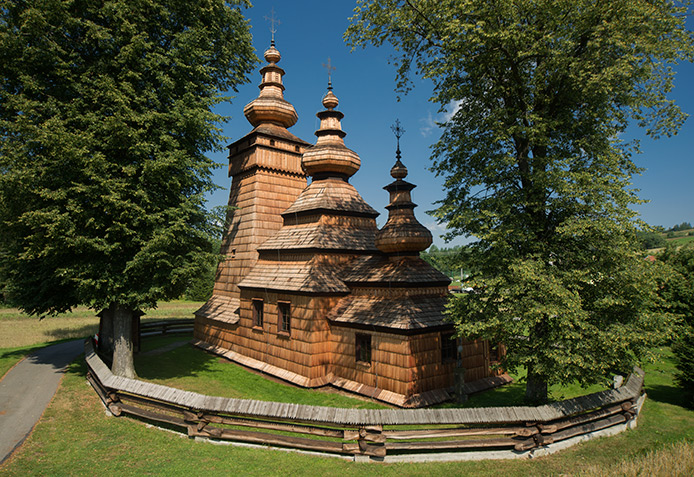
In the Małopolska region of southern Poland, often referred to as "lesser Poland," lies a hidden gem—a living time capsule. Amidst rocky peaks and mystical forests, countless churches, inns, and manors have been crafted in classic wooden style, characterized by shingles, arcades, and gracefully sloping roofs. The Wooden Architecture Route links hundreds of these timeless treasures, many dating back to the 15th and 16th centuries, offering a 932-mile-long journey clearly marked with over 600 signposts. With distances between sites ranging from two to ten kilometers, it is easy to explore them on foot or by bicycle (a preferred mode of transport for many local priests). Don't miss the designated UNESCO World Cultural and Natural Heritage sites of Binarowa, Lipnica Murowana, and Debno Podhalanskie, each housing remarkable churches. As you wander through quiet villages by day, immerse yourself in the Vistula Ethnographic Park in Wygiełzów to experience the bygone rural life of Poland. The Polish Tourism Organization can provide assistance in finding maps and planning your journey.