21 Icelandic Foods You Should Try
-
 Loading...
 - Anthony Morgan
- 31 Mar 2022
- 376 Views
- 0 Like
- 0 Comment
Iceland’s rugged geography and harsh climate mean the inhabitants were heavily reliant on seafood and animal products, and even though today’s Iceland is laced with a generous amount of European influence, the cuisine is still built on a foundation of resourceful dishes and historic cooking techniques.
Buckle up for mindblowing flavors and intriguing fusions, as we discover the taste of Iceland through some of its most iconic dishes as recommended by a local.
Icelandic Food
Meats
1 – Kjötsúpa (Meat Soup)
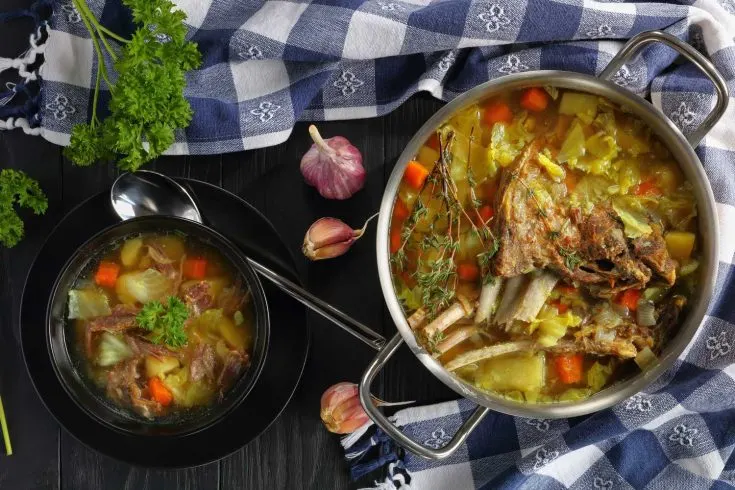
This traditional soup is made of meat broth, usually from lamb, with potatoes, turnips, and carrots being the main ingredients, though this beloved recipe can vary from household to household. From the 19th century onwards the dish was developed to include dried herbs, now known as meat soup herbs, and grains such as rice or barley.
The meat in the soup varies from salted, cheaper meats (“saltkjöt”) to more tender, succulent cuts of lamb or beef. Kötsúpa was traditionally only prepared at Christmas and the festive period, but in time, it became a daily staple in Icelandic cuisine, and it’s now often prepared on Sundays.
2 – Lambalæri (Leg of Lamb)
An equivalent to the British cuisine‘s Sunday roast, Lambalæri is a very traditional dish of oven-roasted leg of lamb. Icelandic lamb is hugely popular across the island and can be prepared in various ways.
A leg of lamb is the star in this traditional homemade Sunday meal, which is served with green peas (if possible, from the Icelandic brand “ORA“), pickled red cabbage, sugar browned potatoes and a creamy mushroom sauce.
A more modern version of Lambalæri includes sweet potatoes, carrots, and other roasted vegetables. There is also the option of trying different types of marinated lamb, such as a blueberry marinate, or a more traditional Icelandic mountain herbs marinate.
3 – Hangikjöt (Smoked Lamb, Christmas Dish)
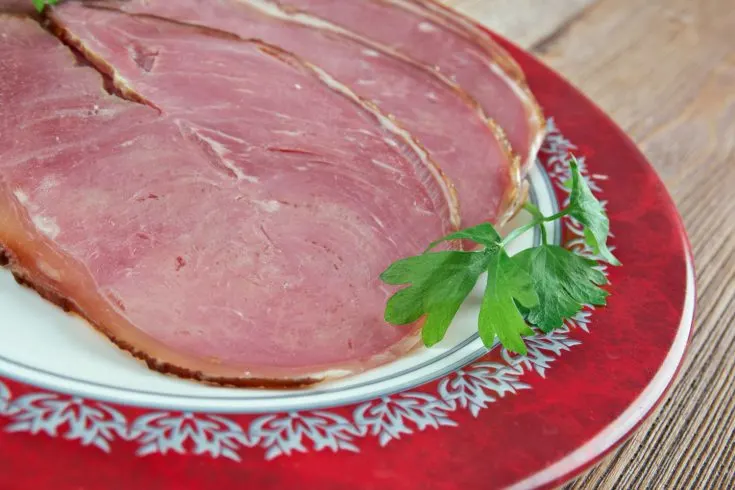
The literal translation of this traditional dish is “hung meat”, and hangikjöt is usually eaten on Christmas day with ORA green peas, pickled red cabbage, boiled potatoes and a semi-sweet sauce (béchamel) made from flour called “uppstúfur” or “jafningur.”
Hangikjöt is first salted and then smoked for a few weeks in a special smoke room. It can be eaten either as a hot or cold dish and is also a popular topping for Icelandic flatbread, where it is thinly sliced, and spread over a thick layer of butter that coats the flatbread.
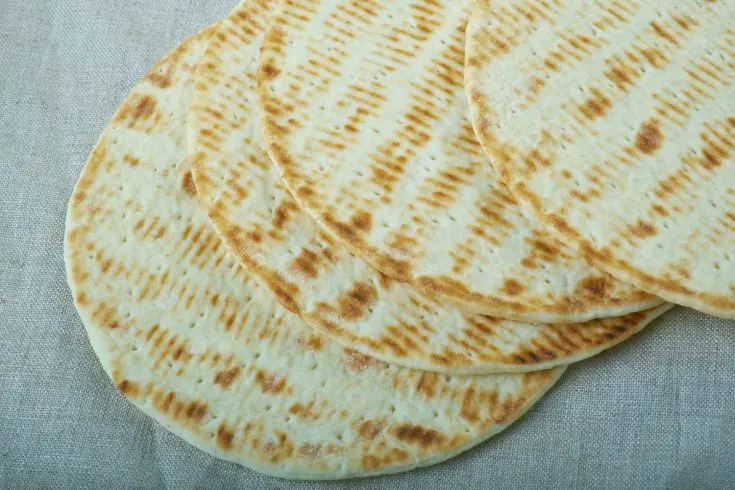
Hangikjöt is traditionally made from either lamb, mutton, or horse meat.
4 – Svið (Sheep Head)
One of the more traditional dishes in Iceland has been around for centuries and comes from a time when a vast majority of the nation suffered from extreme poverty, hence nothing could be wasted.
The sheep’s head is prepared for cooking by being cut in half, cleaned, and any remnants of hair burned off. It is then boiled in slightly salted water for about an hour before serving. Nowadays sheep head is a far less common dish, but it can be tried at the mid-winter festival Þorrablót.
5 – Bjúgur og Uppstúfur (Sausage Made from Horse/Sheep Meat with a Sweet Sauce)
Bjúgur is a long, thick sausage made from either lamb or horse meat. It is salty and smoked, and this traditional food is closely connected to one of the 13 Yule lads of Iceland: Bjúgnakrækir.
The legend goes that Bjúgnakrækir, or the sausage stealer, comes to town on the 20th of December every year and steals sausages from various households, so it is always a good idea to keep a close eye on them!
Bjúgur are boiled in water and then served with “uppstúf”, the same béchamel sauce enjoyed with Hangikjöt, boiled potatoes and green peas, and occasionally boiled turnips. Read More…