20 Colombian Staple Drinks To Try In 2022
-
 Loading...
 - Kelly Jones
- 06 Apr 2022
- 329 Views
- 0 Like
- 0 Comment
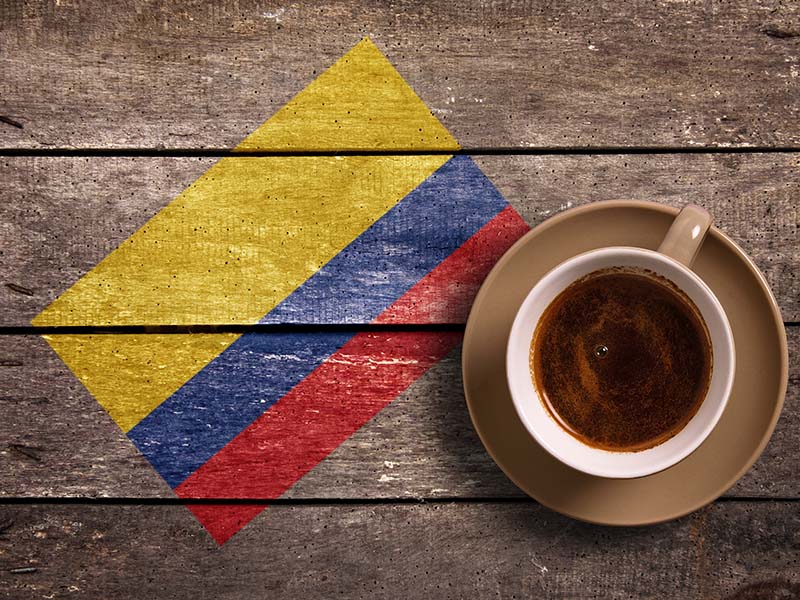
When you mention Colombia, the first thing that comes to your mind must be corn and coffee, right? That’s true because these are the main crop production of the country. It also explains why some of the concoctions in Colombia utilize these ingredients.
So you should keep reading to explore all mysteries there are to Colombian drink.
Top 7 Drinks From Colombia With Alcohol For Tipsy Travelers
You can tell a lot about the culture of a country through the type of spirits that they offer. Here are some traditional Colombian beverages that you can find in the country.
1. Aguardiente (Firewater)

When you mention one of the most iconic Colombian alcohol, it has to be the Aguardiente. Initially, the word Aguardiente means distilled liquor in Spanish. On average, Aguardiente has between 29% to 60% alcohol level. The liquor’s place of origin is in the Iberian Peninsula.
In Columbia, people make Aguardiente from sugarcane water with anises for seasoning with only around 29% alcohol content. Each state of Columbia can produce its version of Aguardiente by adjusting the amount of anise to create various flavors.
The alcohol has a herbal and licorice flavor. People often serve Aguadiente in small short glasses or incorporate it into cocktails. Around the world, the population usually makes a connection between Aguardiente and the Andean region.
Aguardiente is not only popular in Columbia, but it also has had different variations across South America. Many states of Columbia often trade liquor as well. Colombia has the highest consumers of Aguardiente.
2. Pola (Colombian Beer)

Do you know how to say beer in Columbian? Yes, it’s Pola, a word to say beer in general. In Colombia, people mostly enjoy a lager-style beer. The country has a wide variety of beer brands to pick from, like Costeña, Águila, or Pilsen. Club Columbia is a high-end beer.
As expected from a lager-style beer, the alcohol content in Colombian beer often hovers around 4.7%, which is great for beginners to alcohol. Pola is the number one beer enjoyed by many Colombian locals.
3. Rum

The Colombian love their rums, as it is the second most popular alcohol in the country, only behind Colombian beer. One of the most iconic representatives for Colombian rum will have to be the Dictador rum.
Manufacturers use sugar cane honey to make Dictador rum. It has distinct tastes of cocoa, coffee, caramel, and roasted honey. You should take little sips of Dictador at a time because with an alcohol content of 40%, you could get tipsy very fast.
Traditionally, Colombian locals often have rum as it is or on the rock. That way, they can enjoy the true essence of rum.
4. Chicha (Fermented Corn Drink)
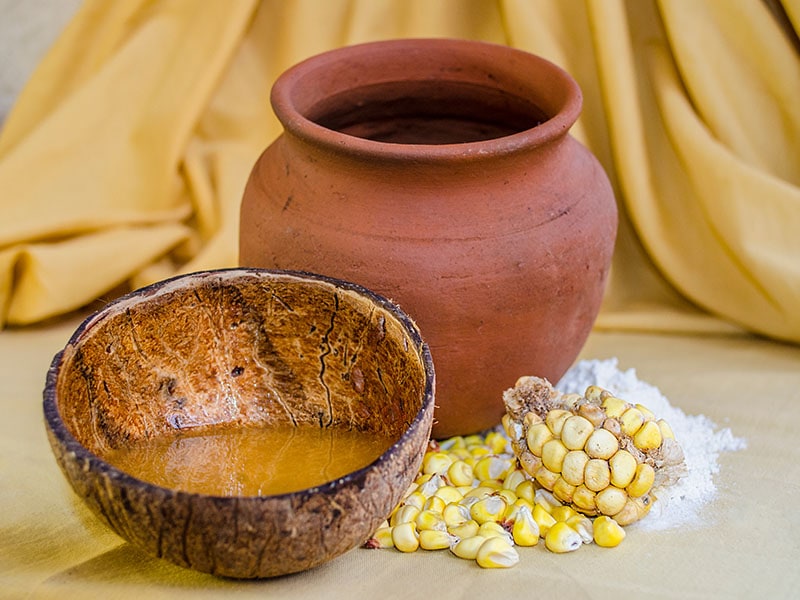
Chicha is a typical drink to the Andes indigenous and common in South America. The mixture originated from the Andes and Amazonia areas.
You should be careful with this corn concoction because the sweetness of Chicha can shroud the true alcohol content. It’s easy for you to overdrink Chicha and get drunk.
Chicha is created through the fermentation process of corn and honey (or sugar). A special kind of yeast called Saccharomyces cerevisiae is used to start the fermenting process.
In different areas, locals often have Chicha as a cold beverage. On average, Chicha often yields an alcohol content of 3.1%, which is even lighter than some of the lager-types of beer.
In Colombia, people don’t often have Chicha since there are other better beer options to pick from. Although corn is an abundant Colombian food source, locals don’t enjoy it so much when made into a beverage.
5. Refajo (Colombian Beer And Soda)

To make Refajo, you will need to mix equal parts of Columbiana soda with beer. Colombians will often pour ingredients to make Refajo into a big pitcher without mixing it. It’s a refreshing drink suitable for people with a lot of leisure time.
The sweetness from Colombiana soda will complement the light lager style beer in Colombia. Some people describe the soda taste as similar to a sweetened version of champagne. As for garnish, a wedge of orange or lime will often appear on the pitcher’s rim. Read More…