15 Best Things to Do in Ethiopia
-
 Loading...
 - William Tonui
- 10 Feb 2022
- 420 Views
- 0 Like
- 0 Comment
As the only African country that has never been colonized, Ethiopia has managed to keep its colorful cultural identity. This is apparent through its historic fortresses, indigenous villages, and deep-seated traditions and customs that permeate the country. One visit to Ethiopia, and you’ll see what makes this country incredibly unique compared to other parts of Africa.
Besides exploring Ethiopia’s rich history, you’ll have the opportunity to immerse yourself in nature. With rugged mountains, shimmering lakes, and even volcanic craters, there are plenty of things to do in Ethiopia in terms of natural beauty. Between the breathtaking landscapes and ancient cultural heritage, Ethiopia is guaranteed to be one of your most memorable trips.
15. Lake Tana
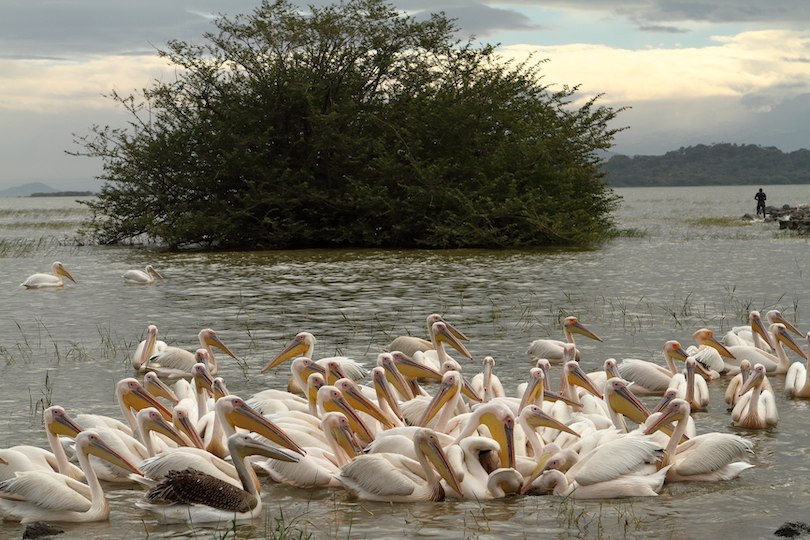
As the primary source of the infamous Blue Nile River, Lake Tana is one of the most diverse ecosystems in Africa. It also happens to be the largest lake in Ethiopia, covering 50 miles of the north-western Ethiopian highlands.
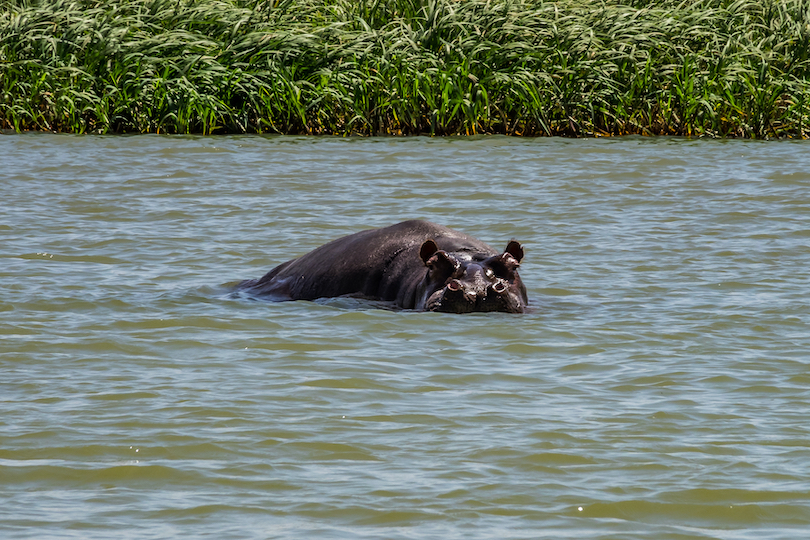
A boat trip is the best way to explore the lake, and you’ll find many companies and locals offering day trips to visitors. As you cruise through the water, you’ll be greeted by an abundance of fish, birds, and even mammals, like hippos and softshell turtles. There are also several monasteries and churches to visit that are situated along the coastline.
14. Fasil Ghebbi
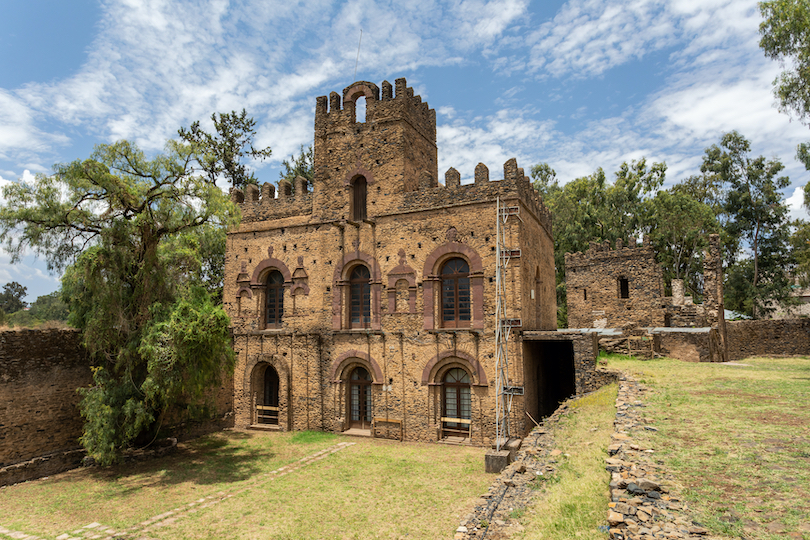
The spectacular Fasil Ghebbi is a unique architectural masterpiece that mixes both European and Nubian styles. The design of the castle is heavily influenced by Arab and Hindu architecture, while the medieval towers and stone facade were brought over by Jesuit missionaries.
This fortress was built in the 17th-century and was used as the main residence for Ethiopian emperors. As you tour the complex, you’ll get to walk through the main Fasilides’ castle and the Iyasu I’s palace. In addition, you’ll see the Dawit III’s Hall, horse stables, an on-site library, and three neighboring churches.
13. National Museum of Ethiopia
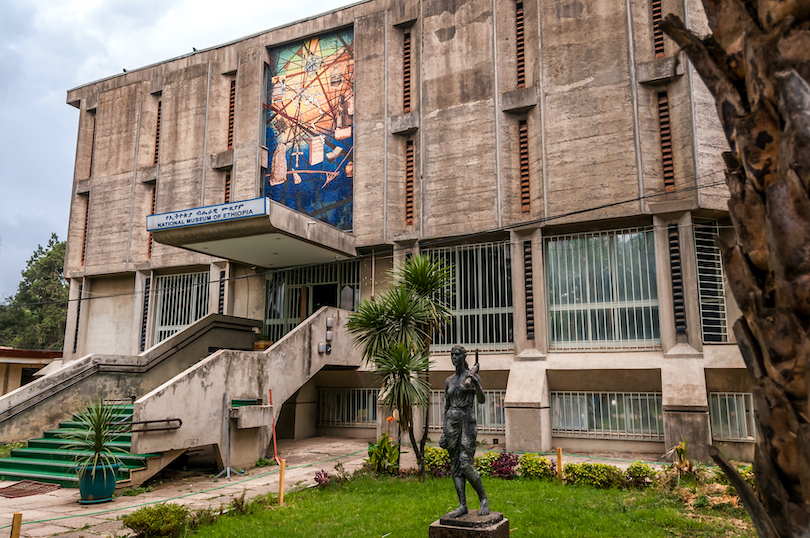
Take a deep dive into Ethiopia’s history at the National Museum of Ethiopia. The museum has three different exhibits with thousands of artifacts and archeological finds on display. The most notable exhibit is the paleoanthropological section, which houses the remains of early hominids or apes.
Here, you’ll find the skeleton of “Lucy,” whose fossil remains are over 3.2 million years old. She is believed to be the oldest remains of any human ancestor. The museum also has an exhibit for African art, as well as a display for historical memorabilia from ancient and medieval periods.
12. Blue Nile Falls
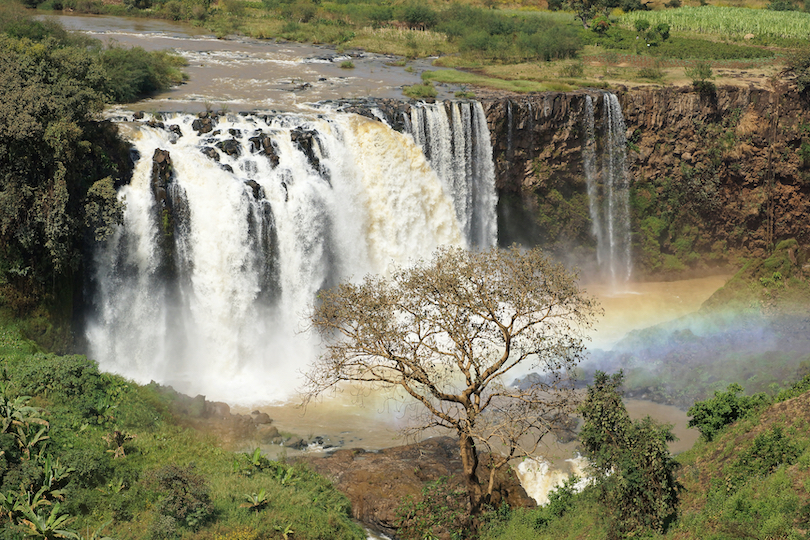
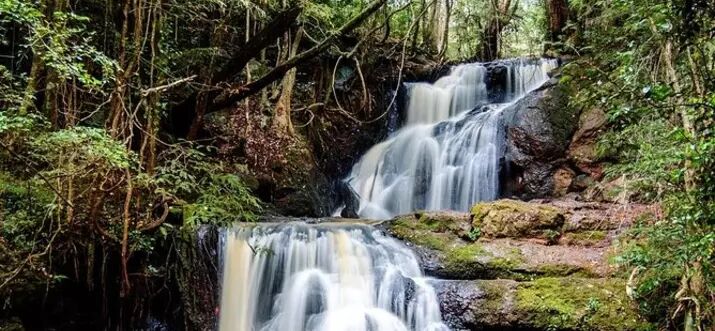
The dramatic thundering of the Blue Nile Falls is guaranteed to take your breath away. Although it’s only 138-feet high, this three-streamed waterfall is shrouded in a fog of mist and often accompanied by the faint shimmer of rainbows.
Getting to the falls can be time-consuming and difficult, so a tour guide is often recommended. You can either make the steep trek to the top viewpoint or take a motorboat to the base of the falls. It’s a good idea to avoid going during the dry season from January to March, as there is little water cascading down the falls.
11. Omo National Park
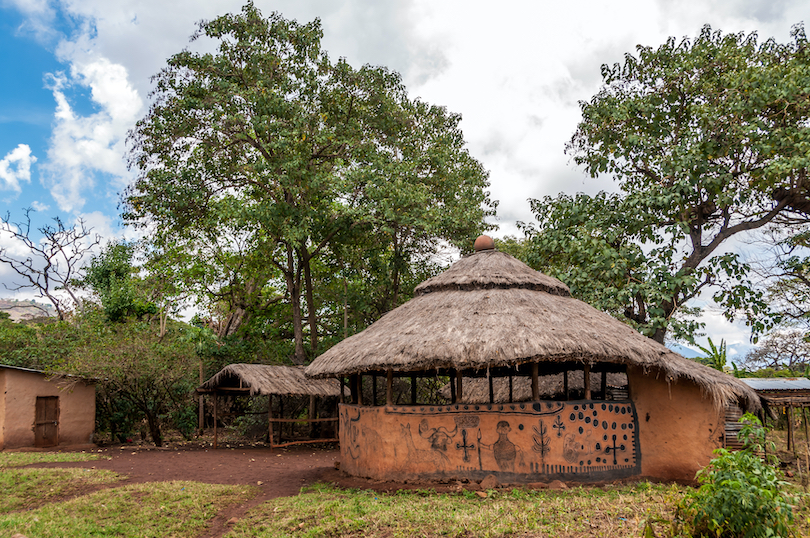
Considered to be Ethiopia’s most remote park, the Omo National Park is a pristine slice of untouched natural beauty. You’ll have the chance to explore sprawling grasslands, lush forests, and bubbling hot springs. The park is also home to several indigenous tribes, including the Mursi, Surma, Mogudge, and Dizi people.
However, most people visit Omo National Park for wildlife viewing. Not only will you find buffalo, elephants, zebras, and kudus, but you’ll also encounter dangerous predators like cheetahs, lions, and leopards. Read More…