13 Tips to Improve Your Street Photography Compositions
-
 Loading...
 - Liam Burton
- 08 Feb 2023
- 65 Views
- 0 Like
- 0 Comment
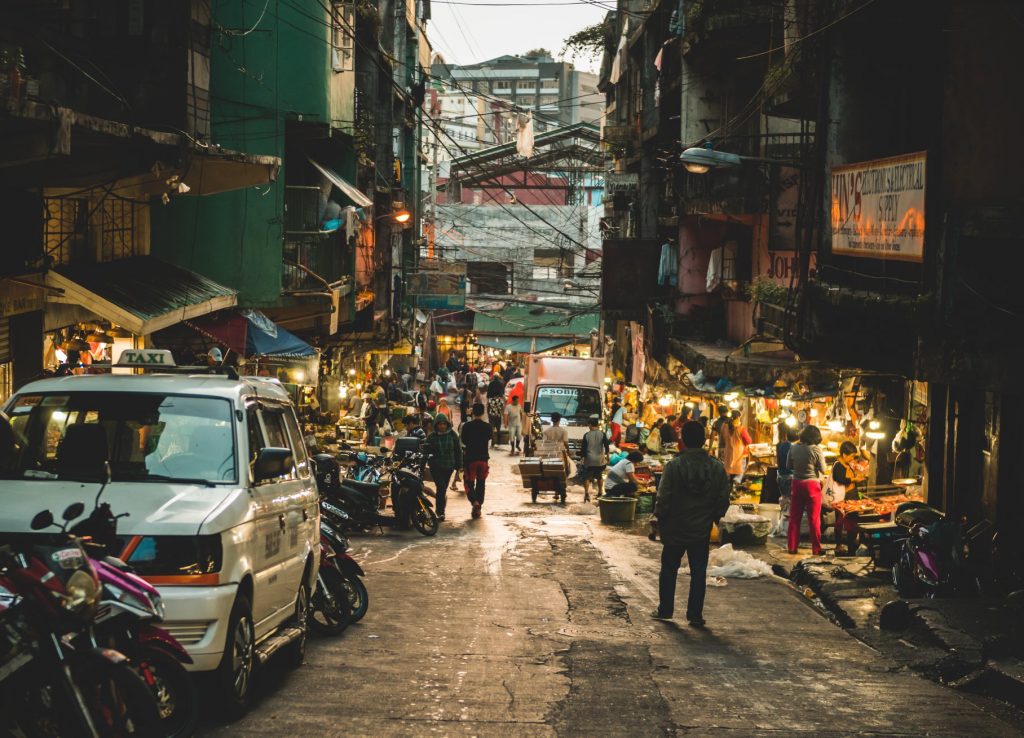
Street photography composition is challenging because the scenes you’re photographing often change (and at a very rapid pace, too!). As you hunt for the perfect light, you may encounter dozens of locations and subjects, and with each new opportunity, you must think about how to create an effective image arrangement.
Composing compelling street photos is both challenging and rewarding. It often demands a strong sense of timing to capture that elusive decisive moment, but once you understand the basics, taking great street photos will come naturally.
In this article, I share 13 practical tips to help improve your street compositions, starting with:
1. Use foreground elements to add depth and context

Most street photographers just focus on the main subject – but if you can include something relevant to the story in the foreground, it’ll help draw the viewer’s eye into the shot. Aim to frame this element so it’s not the main subject but instead helps draw attention to the most important part of the shot.
This technique is most effective when there’s a lot of depth to the scene. Landscape photographers love this style of composition, but it can also be very effective for street photography. The wider your lens’s focal length, the more dramatically the foreground element will appear.
2. Use leading lines to guide the viewer’s eye
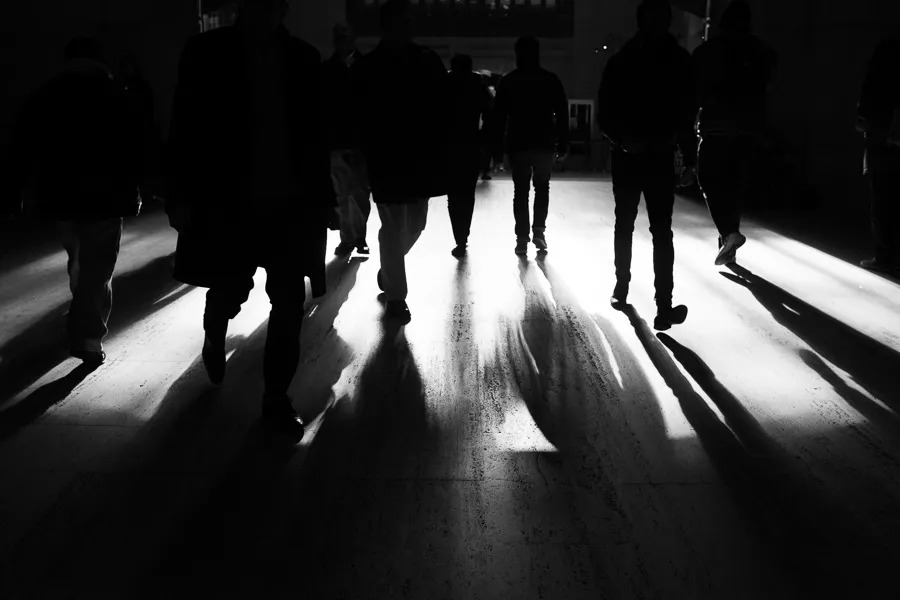
Another great street photography composition technique? Leading lines. These are strong lines in your composition that help draw the viewer’s eye through the photo toward the main subject.
Positioning yourself to make use of strong lines that run diagonally through your frame is particularly effective. When a line appears to emerge from a corner – or close to a corner – it will have the most impact and effectiveness.
Once you’ve identified a line or two in your street scene, take your time determining how to position your camera. Ask yourself: Which focal length will make the most of these lines? Read More…