10 Tips for Better Multi-Pitch Rock Climbing
-
 Loading...
 - Romero Teodora
- 25 Apr 2023
- 61 Views
- 0 Like
- 0 Comment
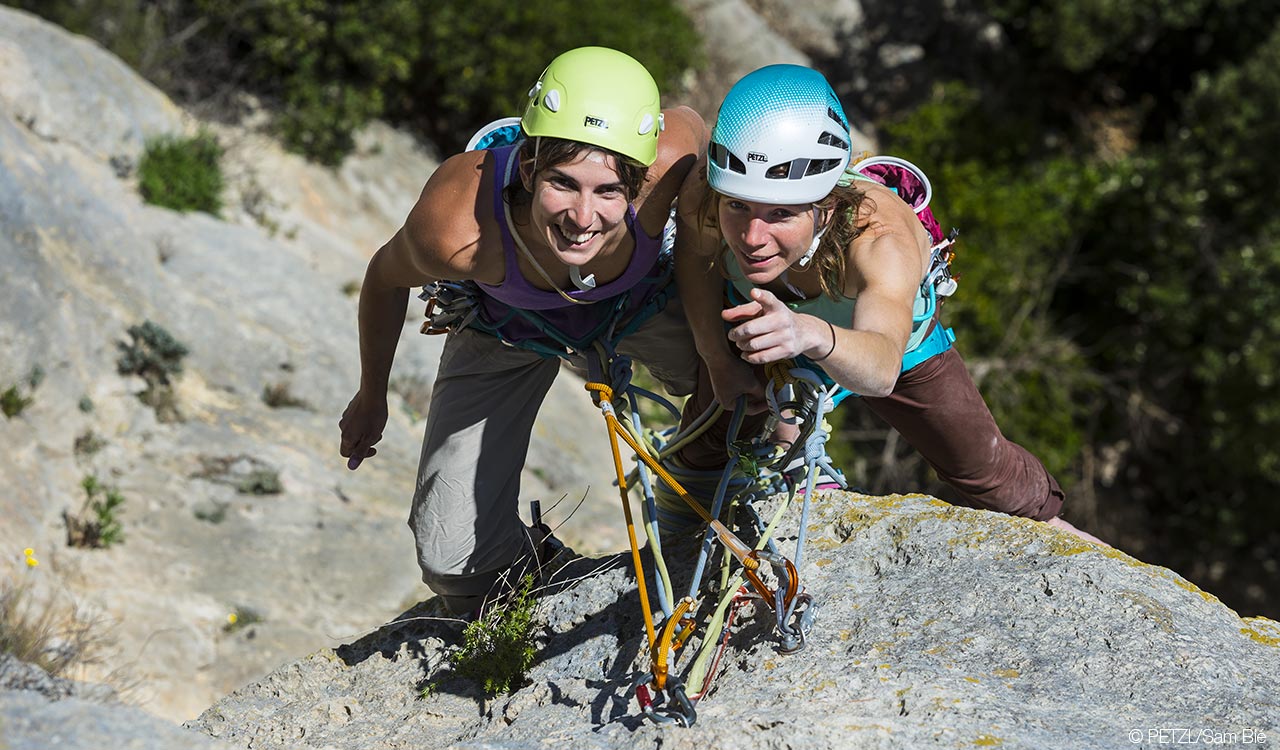
It’s multi-pitch rock climbing season and there’s going to be thousands of climbers heading up high on rocky faces in Canada for the next few months. If you’re a seasoned pro at multi-pitching, then you don’t need to be informed about much of this. But if you’re new to it, these 10 pointers are good to keep in mind.
Study the Weather
Multi-pitch climbing is more committing than cragging, which means you’re more at the mercy of the weather. Check multiple sources about the weather for the day you’re heading up high. Monitor it throughout the day, on the approach and the climb. If it might storm, then have a plan-b and know at what point you can retreat safely from the climb.
Know the Route
Look at every available topo online and in the guidebook. Routes change over the years, so a belay ledge or fixed piton might not be where it was 10 years ago. Know how many pitches the climb is, the grade breakdown, where it goes and if there’s any special beta you need. The last thing you want is to be five pitches up and starting up the 5.12 variation when all you had to do was traverse left to the 5.10 crack.
Bring Enough Layers
You only want to bring layers that you will need or might need if the weather changes. Bring a light rain shell and light insulated layer, but in the summer you don’t need much else unless the forecast is calling for some dramatic changes. All of your layers should pack down small enough to fit in the bottom of your pack.
Carry the Right Pack
Too many climbers are heading up on three- to five-pitch moderate rock climbs with big packs. You shouldn’t need a 40L pack for a short day on the climb. Start with a 15 to 25L bullet pack and see what you can fit. If you can’t fit it (ropes, helmet, shoes, water) then clip it to the outside of the pack or wear it. There’s nothing worse than having too much on your back on those crux pitches. And if you ever have to head up a chimney, you’ll be better off with a slimmer pack than a bulky one. Read More…