10 Shots You Must Get At Weddings!
-
 Loading...
 - Blake Barnes
- 13 May 2022
- 361 Views
- 0 Like
- 0 Comment
Being asked to photograph the most important day in someone’s life is a huge compliment to your knowledge and skill as a photographer, but one that also comes with big responsibility. It’s precisely this that puts off many photographers from contemplating photographing weddings, however if you approach it the right way, capture the key shots and go into it with a fairly relaxed mindset, they’re actually very rewarding and great fun to shoot.
If you’ve ever spoken to a wedding photographer, they’ll probably tell you that no two weddings are the same, which is absolutely true. What appeals to one couple might not to another and people love putting their own stamp on the day to personalise it to how they want it to be. One thing you can be pretty certain of is that the rough agenda of the day will be similar from one wedding to another.
After your first few weddings you’ll quickly get the gist of what’s going to happen next so you can position yourself in the right place at the right time. The key to photographing a wedding successfully is in the planning and communication. A meeting with the couple over a coffee to go through the timings, the group shots they’d like and any other special arrangements is a must, so that you know what’s happening when as well as their expectations.

Striking up a good relationship early, which can also be achieved by arranging a pre-wedding shoot, will help make your couple feel more at ease and rest any nerves they might have of being photographed. When the wedding day finally arrives, try not to overthink it. Let the day unfold naturally and capture things as and when they happen rather than forcing them to happen. This will always result in your images having a very relaxed and genuine feel to them.
If you’re just starting out as a wedding photographer, or you have been asked to assist on the day as second shooter, or have agreed to take a few shots at a wedding for family or friends you’re in the right place. This guide offers the advice and tips you need to getting the must-have shots, along with some kit insights to ensure you get the most from this most memorable of days.
10 photographs to get at weddings
1. Hair and makeup
For wedding photographers, the day often starts by visiting the bride-to-be – so check the best time to arrive. All photographers work differently, but for many it can take half an hour or so to get into the flow. During this time you’ll be getting to grips with your camera settings and starting to build a rapport with the subject so they feel relaxed, which leads to more natural shots.

Hair and makeup artists (MUA’s) like to work close to a window for natural light. Don’t get fixated with shooting from one position for too long and be sure to move around. Don’t disrupt hair and makeup artists from working for long either as this can lead to delays and a mad last-minute rush.
A fast prime lens with an effective focal length of 85-105mm works well for detailed shots of hair being sprayed, eyelashes being curled and decorative hair vines being attached. Don’t be afraid to pull up a chair or stepladder to shoot from a higher position. This can work well with brides who have long hair.

You’ll want to capture the fun, laughter and joyous mood of all those in the room. Suggesting a shot of the bridal party kneeling in their robes on the bed, or asking the bridesmaids to tell an entertaining story about the bride often gets a good reaction. It’s important to give the bride some privacy at the right time, too.
2. The dress
All brides will look back fondly at pictures of their dress. With so much time and money spent choosing the perfect gown, it’s crucial you capture a striking set of images of it. The best time to get shots of the dress before it’s worn is during hair and makeup. Ask the bride politely if she’s happy for a bridesmaid or family member to arrange the dress so it’s hung up out of its garment bag.

This will allow you to grab a few full-length shots. You might also fancy positioning the bride’s shoes beneath or off to one side. If the dress has some intricate beadwork or lace detail it’s worth capturing some close-up shots at the same time. When the bride is ready to put her dress on, step outside the room for a minute and ask a bridesmaid to call you back in just before it’s done up so you can capture a few more frames.

Another key moment you won’t want to miss is the reaction of the bride’s parents the first time they get a glimpse of their daughter in her wedding dress. I like to stand just behind the bride at this point and typically use my 70-200mm. This will allow you to record the emotion as they enter the room at the long end of the zoom and also the hug that usually follows by pulling back and shooting at the widest point in the zoom range.
Top Tip: If you have a few minutes spare after the bride has got into her dress, don’t be afraid to ask her to hold her bouquet in both hands and stand close to a window so you can capture a few elegant shots of her last moments in natural light before she gets married.
3. Groom preparations
One of the questions you’ll want to ask at the meeting you have with an engaged couple before their wedding is; would you like some photos of the groom getting ready? If the answer is yes then you may need to think about hiring an assistant (known as a second shooter) who can do this for you while you focus on the bridal preparations.

If the groom is due to get ready at the same venue as the bride, or within short walking distance, you might prefer to shoot both yourself and work alone. Doing this does introduce the risk of missing some key shots however as it’s impossible to be in two places at any one time. When you’re photographing the groom preparing, strike up a conversation between shots so he becomes comfortable with you working around him.
Look for details to photograph too, such as polished shoes and the rings, which the best man should be keeping safe. Some grooms like to go for a swift half at a nearby pub to settle any nerves they may have before the ceremony. This is a good time to capture a few relaxed shots of the groom and groomsmen and saves time having to do it later.

One of my personal favourite shots to get of the groom is the walk to the venue with groomsmen in tow. To give yourself the best chance of getting this shot you’ll want to be quite a way ahead of the group and set your camera to its burst mode with continuous autofocus deployed. Sometimes you might even get an odd request.
I’ll never forget the time I got asked to photograph all the groomsmen with their trousers around their ankles in the street so the married couple had a photo of them all wearing matching underwear. You have to be ready for anything at a wedding!
4. The exit shot
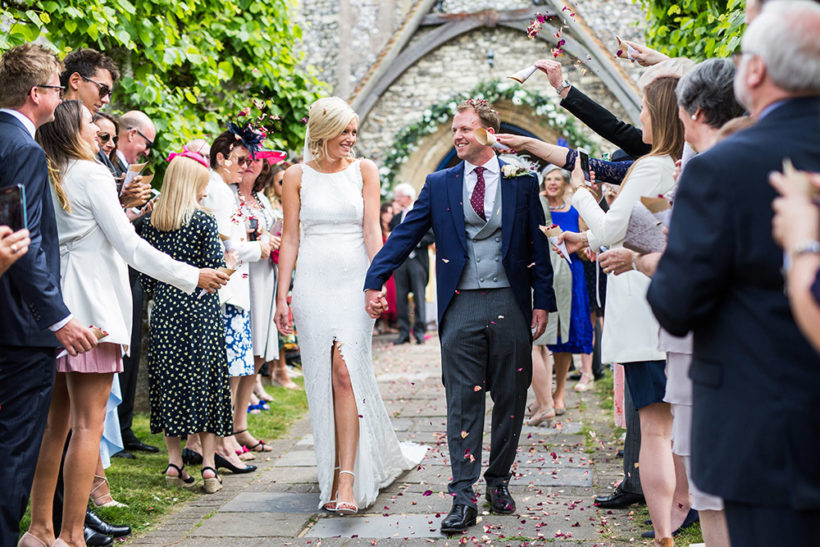
Rather like the first kiss, the exit shot of the couple leaving the church or place they’ve got married at can be challenging as you only have a few seconds to nail it. Nobody wants to hire a photographer who constantly asks for key moments to be repeated because they were unable to get the shot first time. A great exit shot requires some organising on your part.
Ask the couple kindly to wait off to one side or around the corner for a few minutes while you gather family and guests together to create an avenue for them to walk through. If you don’t feel comfortable raising your voice to move people into position, kindly ask the best man or ushers to help. If confetti is on the agenda make sure everyone has a good handful and let the guests know to throw it as high as possible.

The slower the couple walk down the avenue, the better the chance you’ll have of getting some striking shots – and don’t forget to tell the couple this before giving them the big thumbs up to start walking towards you. As you backtrack be mindful of people’s feet and any obstacles that could trip you up. Keep shooting until you reach the end of the avenue.
Asking the couple to briefly pause at the end and look back at all their guests while raising their hands makes for another good shot. There’s no right or wrong lens to use for the exit shot, however I typically find myself using my 24-70mm standard lens so I can control the angle of view instantly with a short sharp twist of the zoom ring.
Top Tip: To freeze confetti mid-air and minimise any risk of handshake I’d always recommend shooting exit shots with a shutter speed no slower than 1/500sec. Read More…