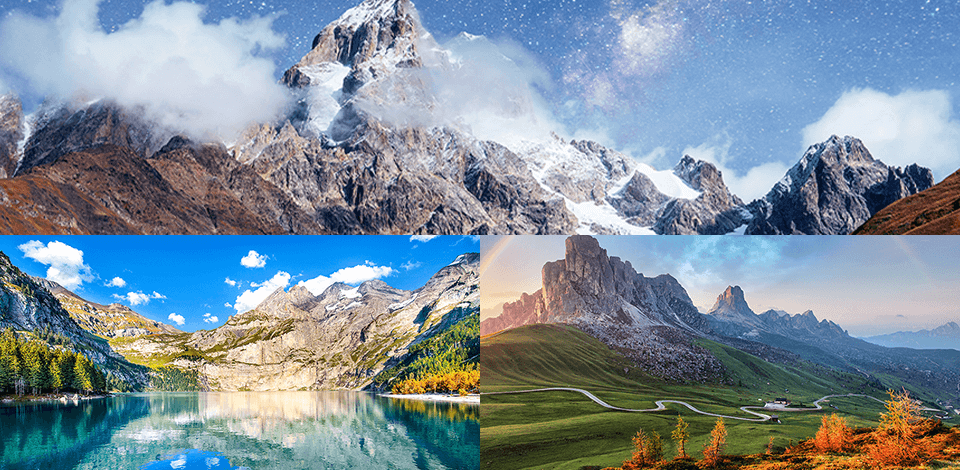
10 Mountain Photo Tips To Show The Grandeur Of The Highlands
-
 Loading...
 - Chloe Atim
- 22 Sep 2022
- 62 Views
- 0 Like
- 0 Comment
Now it’s high time for you to take dramatic, voluminous, and emotional images of the highlands. If you want to master this genre of photography, you need to learn special techniques and acquire skills to build a proper composition.
Hobbyist photographers often fail to take voluminous mountain shots. Besides, such images either lack light or are overexposed. In this article, you will learn how to avoid such mistakes and will discover many handy composition tips.
1. Plan When and Where to Conduct Your Mountain Photoshoot
To take beautiful images in the mountains, think of when and where you would like to organize your photo session. For instance, if you want to capture Northern Lights flickering above the highlands, learn the exact place and time when this natural phenomenon is perfectly visible. Usually, Aurora Borealis is the brightest on September 21 and March 21.
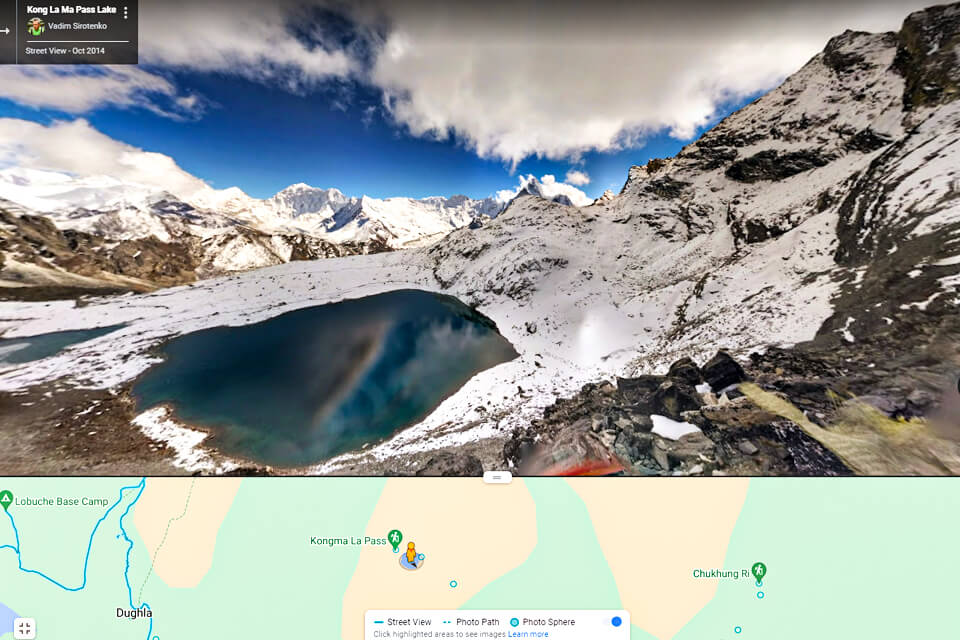
You can also use special mobile apps to discern how this or that mountain looks on a certain day and time. Google Earth, Photo Pills, and Sun Surveyor are the most popular options.
2. Consider Weather Conditions while Shooting Mountains

It is difficult to predict the weather in the mountains, so be ready to wait until the wind/rain calms down to take the desired photo. Experienced photographers claim that it is better to practice landscape photography in the mountains in cloudy or foggy weather.
To receive a bright shot, conduct a photo session in the morning or the evening. The daylight is too intensive, so you are likely to get overexposed and flat images on a sunny day. Photos of mountains in the moonlight against a starry background look gorgeous. But you need to purchase additional lighting equipment and practice a lot to convey the beauty of nature in your pictures.
3. Remember about Light

Photographers who have already worked in the highlands know well that light there differs from what we are used to. For instance, the light that penetrates clouds at sunrise or sunset can reach mountain peaks only in several hours.
So, timing is crucial if you want to take images at golden hour. Clouds, weather, and season can affect the sunrise and sunset periods. For example, in winter, it takes longer for the sun to come up or go down, as it rises lower in the sky at a shallower angle.
One of the most useful mountain photography tips is to arrive at the destination several hours before the required time (1 hour before sunset). Otherwise, you run the risk of missing the optimal lighting conditions for your photo session. Note that the higher the mountains are, the sooner you get soft lighting. This rule works vice versa for sunrise. Read More…