10 Essential Tips for Landscape Photography in Iceland
-
 Loading...
 - Abrasha Volkov
- 24 Mar 2025
- 28 Views
- 0 Like
- 0 Comment
Landscape photography is increasingly popular, especially in a visually stunning location like Iceland, which offers a diverse range of photographic opportunities. If you're planning to capture the breathtaking scenery of the Land of Fire and Ice, here are ten essential tips to help you take stunning landscape photos.
1. Use a Reliable Camera
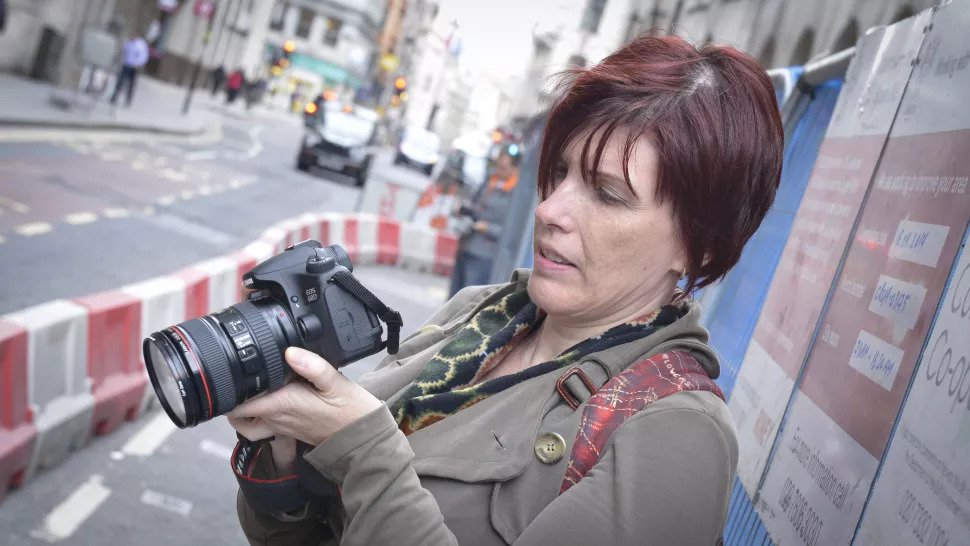
In the unpredictable outdoor environment of Iceland, it's crucial to have camera gear that can withstand various conditions. Opt for a weather-sealed camera or one known for its durability in rugged settings. Mirrorless options like the Sony A7RIII are popular for their ability to capture a wide dynamic range, allowing for more data to work with in post-production.
2. Read the Manual
Familiarize yourself with your camera by reading the manual. Understanding how your gear works is essential for maximizing its potential. Keeping the manual handy can be helpful in the field if you encounter any issues.
3. Attend Workshops
Participating in photography workshops can significantly enhance your skills. These workshops often provide access to the best locations at the right times, along with expert guidance on photography techniques. Whether you're a beginner or an experienced photographer, workshops can help you expand your portfolio and knowledge.
4. Use RAW Format
Shooting in RAW format is recommended for landscape photography, as it captures more data than JPEG. This allows for greater flexibility in post-production, enabling you to adjust aspects like white balance and contrast without losing quality. If you prefer JPEG for quick sharing, many cameras allow you to shoot in both formats simultaneously.
5. Research Locations
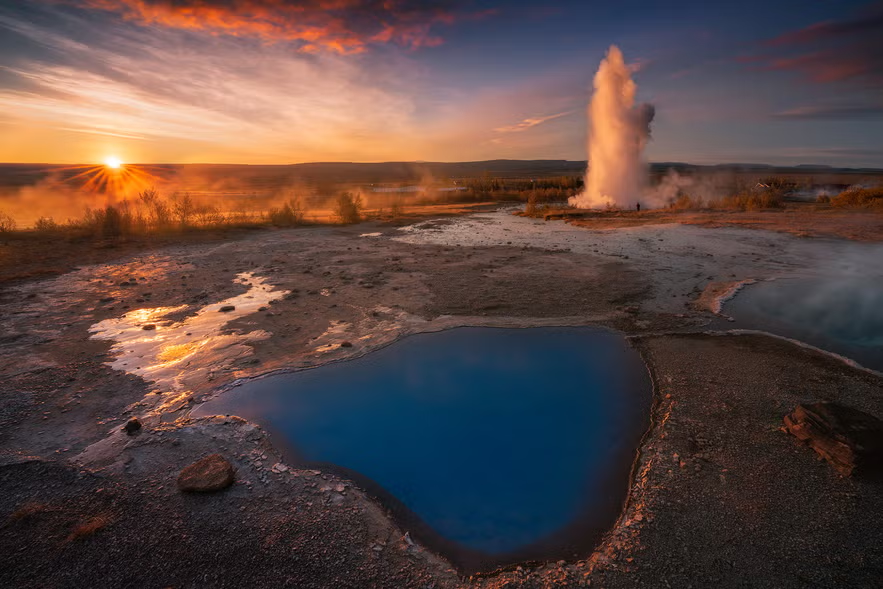
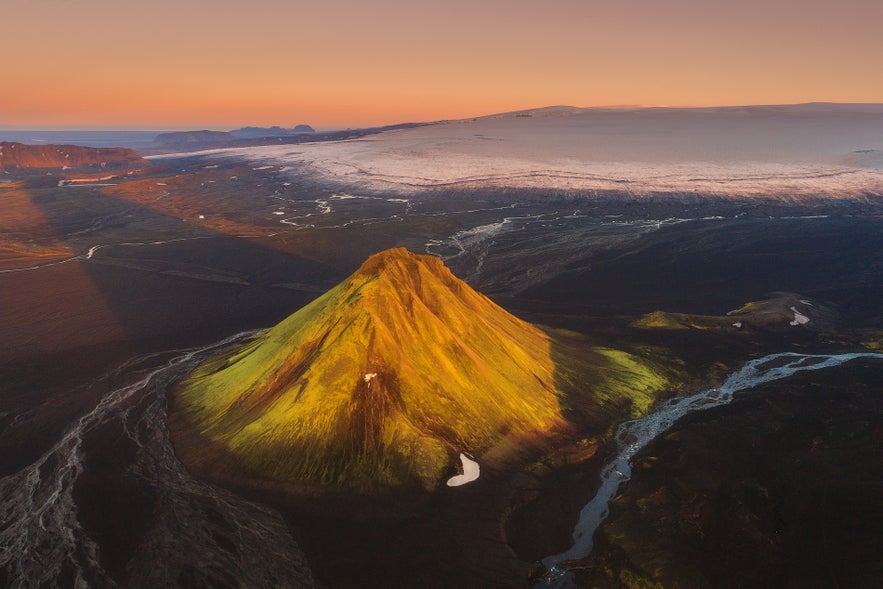
Before your trip, research potential photography locations in Iceland, including their suitability for sunrises or sunsets. Planning ahead increases your chances of capturing the images you envision. Joining a photography tour can simplify this process, as guides know the best spots and times for shooting.
6. Maximize Depth of Field
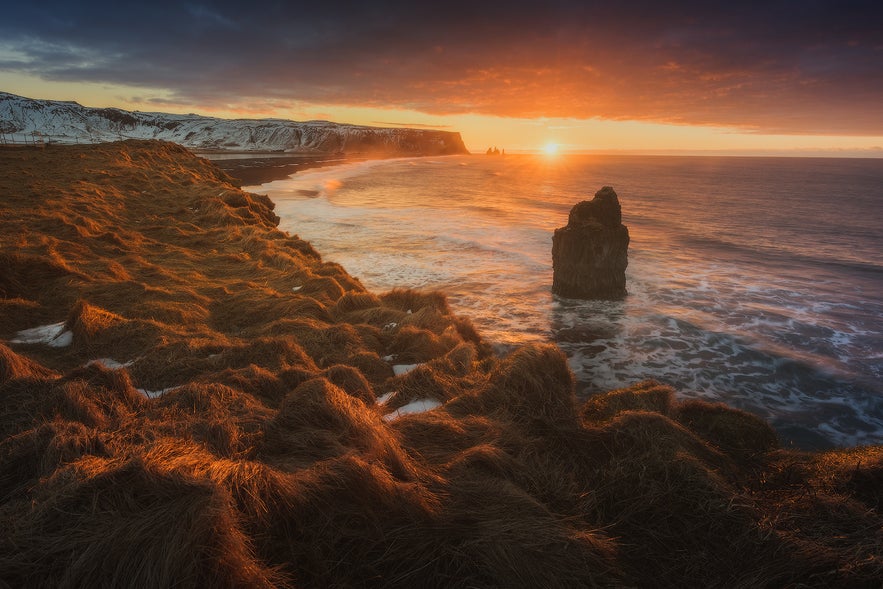
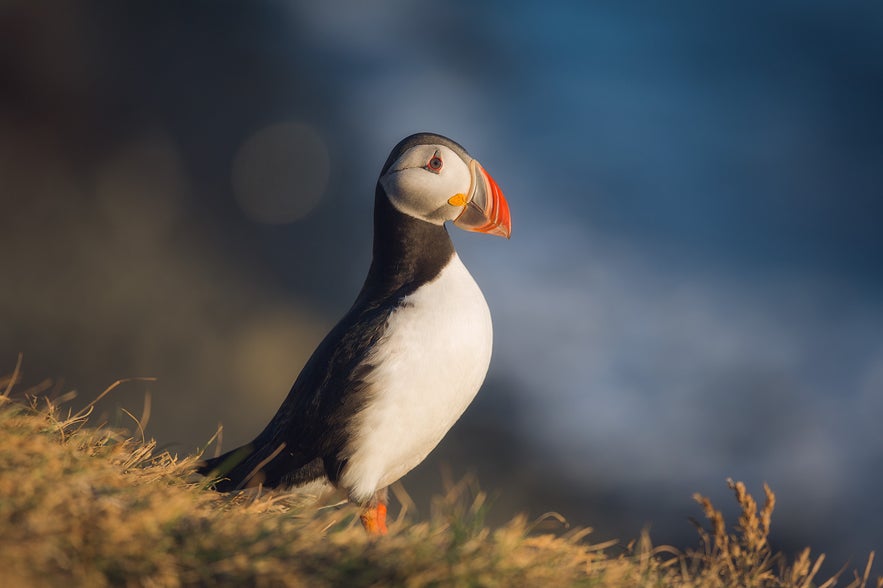
To keep as much of your scene in focus as possible, use a small aperture setting (between f/11 and f/16). This is particularly effective for landscape shots. However, if you're focusing on a specific subject, such as puffins, consider using a larger aperture (like f/2.8) for a bokeh effect.
7. Utilize Filters
Filters are essential tools for landscape photographers. Neutral density filters can help create smooth water effects in images of waterfalls or beaches, while graduated neutral density filters balance exposure between the sky and foreground, enhancing the overall composition.

8. Establish a Focal Point
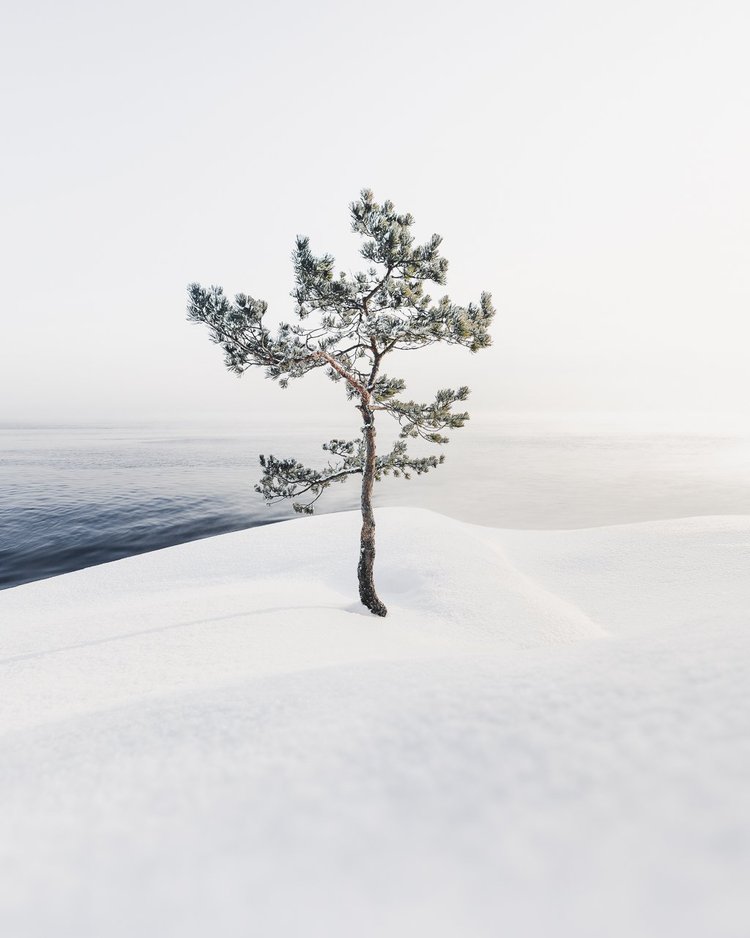
Every landscape photo should have a focal point to guide the viewer's eye through the image. Look for interesting foreground elements, such as rocks or trees, to anchor your composition and create leading lines that draw attention to the scene.
9. Get Yourself in the Action
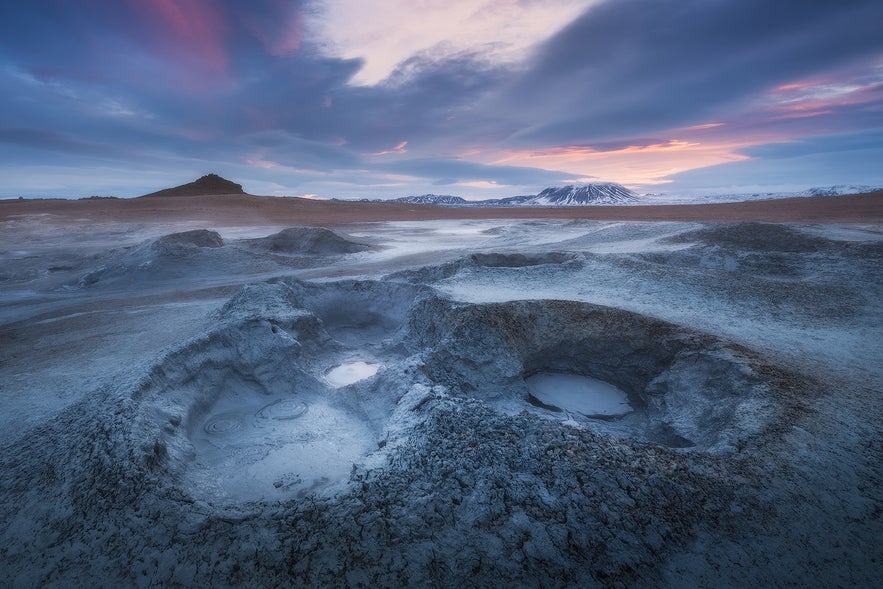
To capture the best landscape shots, venture beyond the road or safe distances. Explore and trek to reach stunning locations. If you're unsure where to go, consider joining a photo tour with a knowledgeable guide who can lead you to the best spots at optimal times.
10. Get it Right at the Click of the Shutter
Aim to capture the best image possible in-camera rather than relying heavily on post-processing. While digital photography offers editing capabilities, focusing on quality shots in the field is essential. Use your camera as a tool to master the art of landscape photography, ensuring you make the most of your equipment.
By following these essential tips, you can enhance your landscape photography skills and capture the breathtaking beauty of Iceland. With its diverse landscapes and unique natural features, Iceland offers endless opportunities for stunning photography. Embrace the adventure, and enjoy the process of creating lasting memories through your lens.