10 Essential Modern Mexican Novels: Explore the Best of Mexican Literature
-
 Loading...
 - Caceres Araceli
- 09 May 2023
- 78 Views
- 0 Like
- 0 Comment
Are you looking for some amazing books to add to your reading list? Are you interested in exploring the vibrant and diverse culture of Mexico through literature? Then you're in luck, because in this article, we'll be discussing the 10 essential modern Mexican novels that you simply cannot miss!
Mexico has a rich literary tradition that spans centuries, and the country's modern authors continue to produce some of the most exciting and thought-provoking works in contemporary literature. From magical realism to crime fiction, there's something for every reader in Mexican literature. So, without further ado, let's dive into the 10 Essential Modern Mexican Novels!
1. "Pedro Páramo" by Juan Rulfo
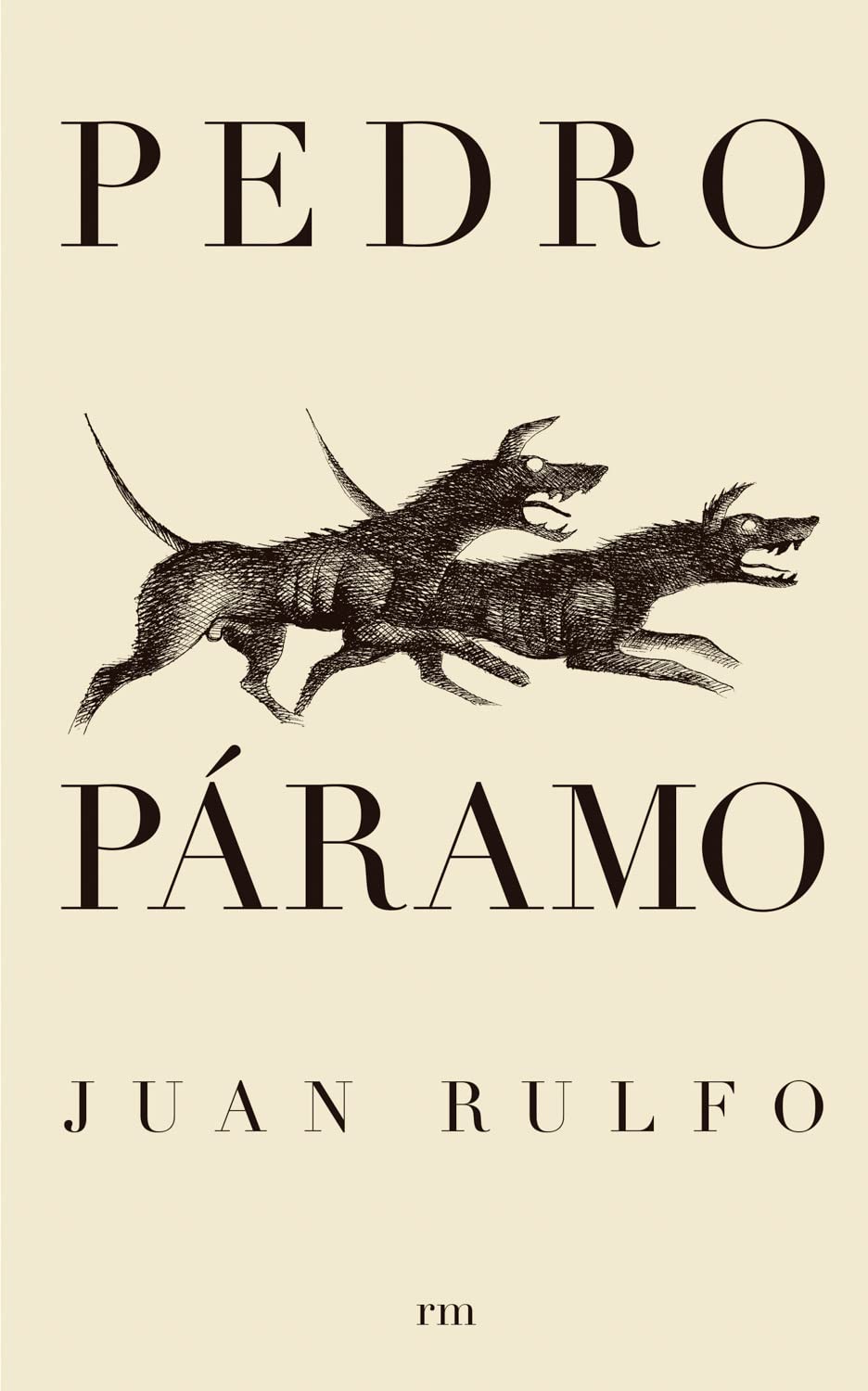
Juan Rulfo's "Pedro Páramo" is a classic of Mexican literature and one of the most important works of magical realism. The novel tells the story of Juan Preciado, who travels to the fictional town of Comala in search of his father, Pedro Páramo. But what he finds there is a surreal and dreamlike world populated by ghosts and memories.
2. "The Labyrinth of Solitude" by Octavio Paz
Octavio Paz is one of Mexico's most celebrated writers, and "The Labyrinth of Solitude" is one of his most famous works. The book is a collection of essays that explores the national character of Mexico and the role of solitude in Mexican culture.
3. "The Savage Detectives" by Roberto Bolaño
Roberto Bolaño's "The Savage Detectives" is a sprawling epic that follows two young poets as they travel across Mexico City and the Sonoran Desert in search of a mysterious and elusive poet. The novel is a masterpiece of contemporary literature and a must-read for anyone interested in Mexican fiction.
4. "2666" by Roberto Bolaño

Another masterpiece by Roberto Bolaño, "2666" is a sprawling novel that tells the story of a series of brutal murders in the fictional town of Santa Teresa, a stand-in for the real-life Ciudad Juárez. The novel is a profound meditation on violence, capitalism, and the nature of evil.
5. "Like Water for Chocolate" by Laura Esquivel

Laura Esquivel's "Like Water for Chocolate" is a magical realist novel that tells the story of Tita, a young woman who is forbidden to marry the man she loves and instead spends her life cooking for her family. The novel is a sensual and evocative exploration of love, food, and family.
6. "The Death of Artemio Cruz" by Carlos Fuentes
Carlos Fuentes' "The Death of Artemio Cruz" is a powerful and complex novel that tells the story of a dying industrialist as he reflects on his life and the history of Mexico. The novel is a profound exploration of power, corruption, and the legacy of the Mexican Revolution.
7. "Signs Preceding the End of the World" by Yuri Herrera
Yuri Herrera's "Signs Preceding the End of the World" is a short but powerful novel that tells the story of a young woman named Makina as she travels from Mexico to the United States in search of her brother. The novel is a poetic and haunting exploration of migration and the borderlands.
8. "Down the Rabbit Hole" by Juan Pablo Villalobos

Juan Pablo Villalobos' "Down the Rabbit Hole" is a darkly comic novel that tells the story of a young boy named Tochtli, the son of a Mexican drug lord. The novel is a satirical commentary on the Mexican drug trade and the corrupting influence of power.
9. "The Years with Laura Díaz" by Carlos Fuentes
"The Years with Laura Díaz" is another masterpiece by Carlos Fuentes. The novel follows the life of Laura Díaz, a woman who witnesses some of the most significant moments in Mexican history, from the Revolution to the student protests of 1968. The novel is a sweeping epic that captures the spirit of Mexico in the 20th century.
10. "The Book of Lamentations" by Rosario Castellanos
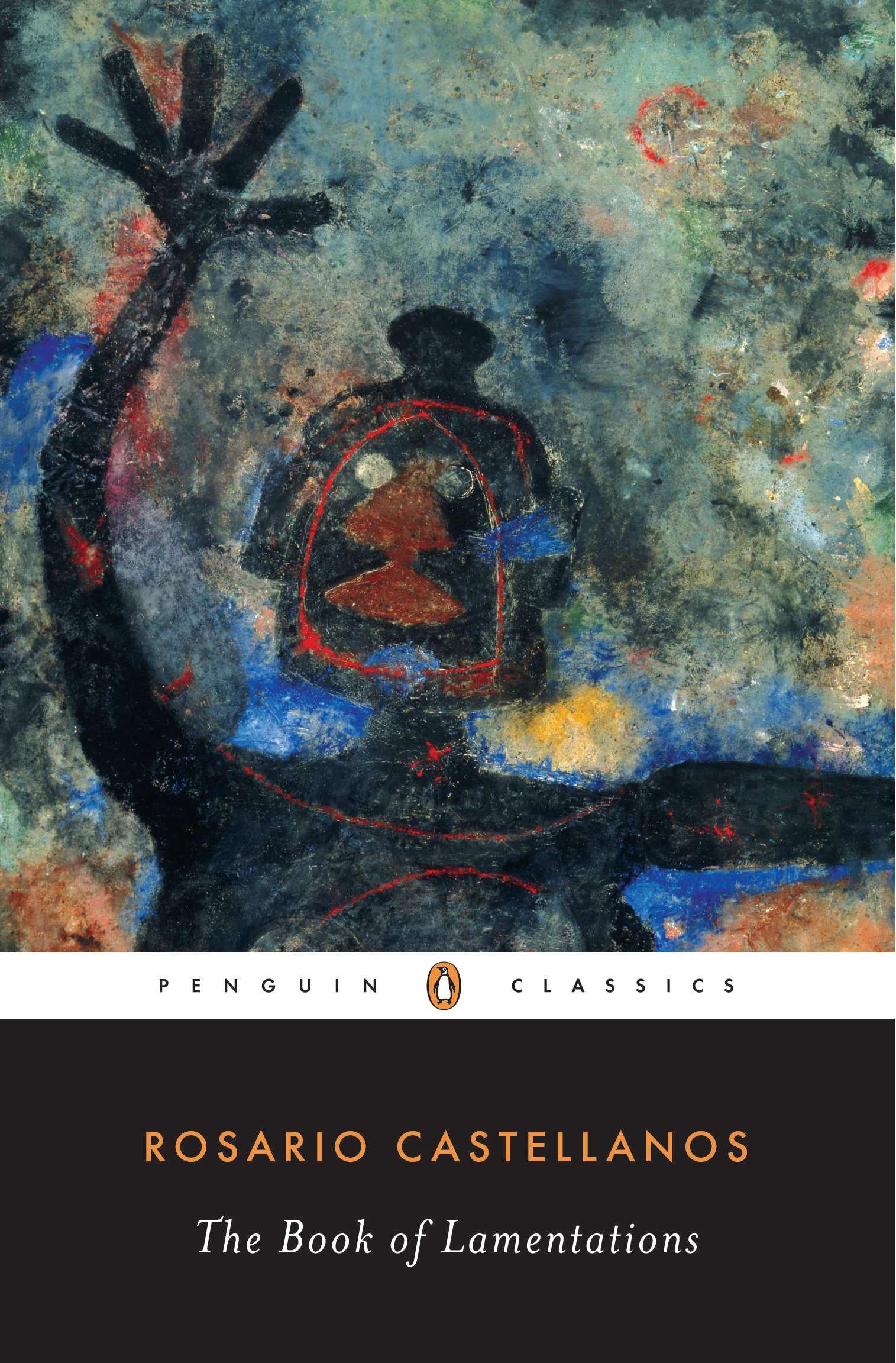
Rosario Castellanos' "The Book of Lamentations" is a powerful novel that tells the story of a Mayan village as it is destroyed by greed and corruption. The novel is a searing critique of colonialism and capitalism and a testament to the resilience of indigenous communities in Mexico.
FAQs about the 10 Essential Modern Mexican Novels
1. What is magical realism, and why is it such an important part of Mexican literature?
Magical realism is a literary style that combines realistic narrative with fantastical elements, blurring the line between reality and fantasy. It is a popular genre in Mexican literature because it allows writers to explore the country's complex history and culture in a unique and imaginative way.
2. What makes "The Savage Detectives" such an important novel?
"The Savage Detectives" is a groundbreaking work of literature that combines elements of the traditional novel with experimental forms of storytelling. It is a powerful meditation on youth, friendship, and the nature of artistic ambition, and it has had a profound influence on contemporary literature.
3. What themes are explored in "2666"?
"2666" is a complex and multilayered novel that explores a variety of themes, including violence, power, and the nature of evil. It is a profound meditation on the human condition and a searing critique of contemporary society.
4. Why is "The Labyrinth of Solitude" such an important work of Mexican literature?
"The Labyrinth of Solitude" is an insightful and thought-provoking collection of essays that explores the national character of Mexico and the role of solitude in Mexican culture. It is a must-read for anyone interested in understanding the complexities of Mexican society.
5. What makes "The Book of Lamentations" such a powerful novel?
"The Book of Lamentations" is a searing indictment of colonialism and capitalism and a testament to the resilience of indigenous communities in Mexico. It is a powerful and moving work of literature that continues to resonate with readers today.
6. What is the significance of the Mexican Revolution in Mexican literature?
The Mexican Revolution, which took place from 1910 to 1920, was a pivotal moment in Mexican history and continues to be a major influence on Mexican literature. Many of the country's most celebrated writers, including Carlos Fuentes and Octavio Paz, were deeply influenced by the Revolution and its aftermath.