10 endangered animals in South Africa and how you can help
-
 Loading...
 - Rachael Peters
- 24 Mar 2022
- 374 Views
- 0 Like
- 0 Comment
The IUCN (International Union for the Conservation of Nature) has created a Red List on which they publish endangered animals from around the world that face human-induced threats to their survival daily.
Here are 10 endangered animals in South Africa, and ways you can contribute to their conservation.
1. Pickergill’s Reedfrog
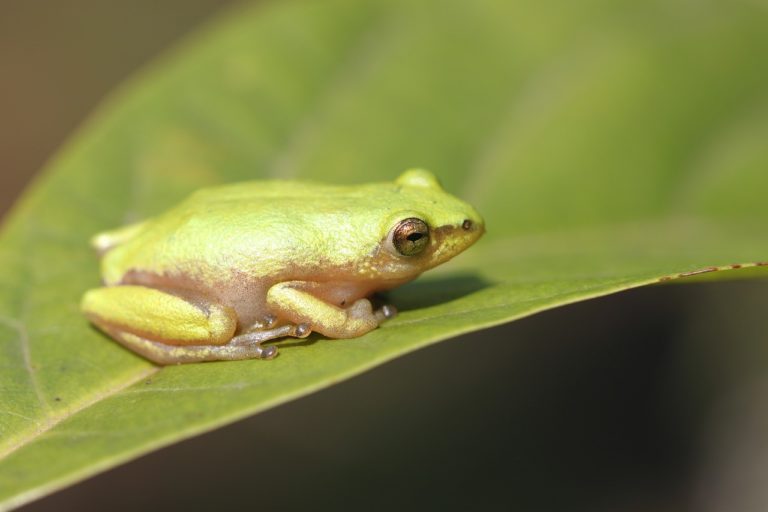
IUCN Red List status: Critically endangered
It’s easy to overlook an animal that is only 3cm long, but once you know of its existence, it’s hard not to care about its future. The Pickersgill’s reed frog is one of the most endangered amphibians in South Africa. It’s endemic to the coastline of KwaZulu-Natal where their numbers are shockingly low and vastly spread out along the coast.
Major threats?
Coastal development, habitat fragmentation, and draining of water used for agricultural and urban development.
Current conservation efforts?
Two of the wetland areas where they live are currently protected. South Africa’s very first captive breeding project for the conservation of a threatened amphibian species has included the Pickersgill’s reed frog. The project is run by the African Association of Zoos and Aquaria. The Endangered Wildlife Trust (EWT) has named the Pickersgill’s reed frog its flagship species for its amphibian conservation programme.
How you can help
- Become a member of the African Association of Zoos and Aquaria.
- Join the EWT and either donate money (however small the amount) to the programme or get a MyPlanet card and name the Threatened Amphibian Programme as your beneficiary. It won’t cost you a thing!
2. Cape vulture

IUCN Red List status: Endangered
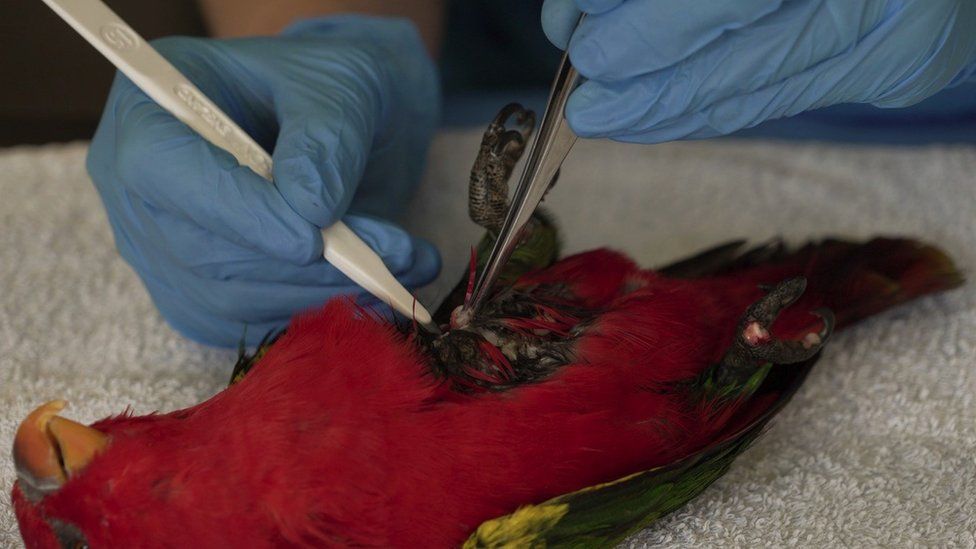
We easily underestimate the importance of vultures, perhaps because the term in itself has quite a negative connotation. But the essence of being a vulture is to clean up, and therefore, do good. By eating off carcasses they prevent diseases from spreading amongst the animal kingdom. Cape Vultures are only found in Southern Africa, limiting the already decreasing population.
Major threats
Loss of habitat, electrocution on pylons or collision with cables and unintentional poisoning.
Current conservation efforts
VulPro is one of the leading Cape Vulture conservation organisations in the country. They aim not only to conserve and protect Cape Vultures but also to raise awareness around them. They launched a breeding and rehabilitation project fairly recently and the first captive-bred vulture chick hatched on 1 September last year at the Johannesburg Zoo.
How you can help
- You can acquire a My Planet card for free and make VulPro your beneficiary. Every time you swipe the card at participating stores, a certain percentage of your purchase goes to VulPro.
- VulPro has a wishlist of simple items needed for smooth operations. If you’re able to donate any of these, it’ll be greatly appreciated.
- Volunteer at the VulPro centre, just outside of Hartebeespoort.
- Donate money to VulPro or the Endangered Wildlife Trust’s Birds of Prey programme
3. Cheetah
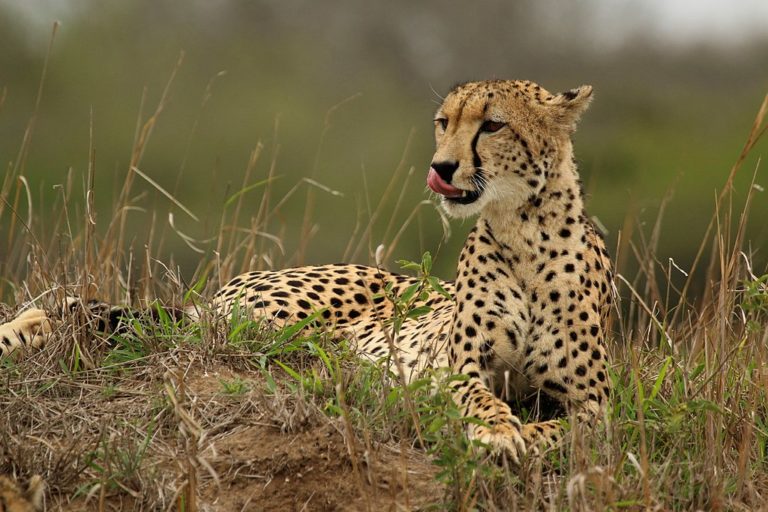
IUCN Red List status: Vulnerable
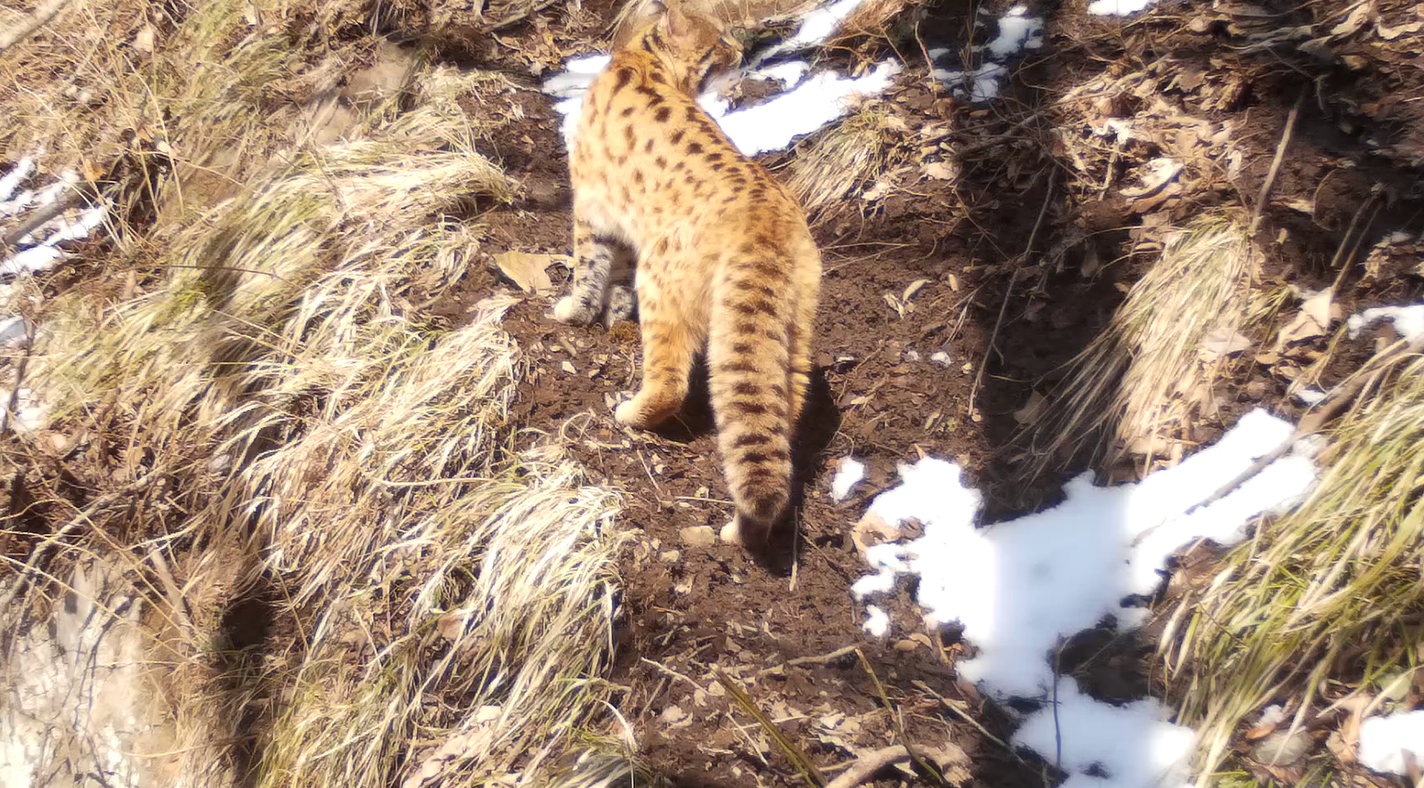
No one can deny the grace and beauty of the fastest land animal on earth. These beauties have been the subject of countless incredible wildlife images, with their dark tear stains and perfectly spotted agile bodies. Unfortunately, many farmers don’t feel the same because cheetahs are smart enough to know that a sheep is a much easier catch than an antelope on the run. Many farmers end up poisoning, shooting or trapping the cheetah culprits.
Major threats Farmer-predator conflict, loss of habitat.
Current conservation efforts
Cheetah Outreach in Somerset West and the Cheetah Conservation Fund in Namibia are but two organisations that are dedicated to conserving cheetahs in their natural habitat. Both have active guard dog programmes that place Anatolian shepherd dogs on farms to chase away predators. As cheetahs aren’t aggressive animals, they’ll rather find dinner somewhere else than face a physical confrontation. These programmes have proven to be very successful.
How you can help
- Become a volunteer at Cheetah Outreach by emailing [email protected]
- Sponsor an item on Cheetah Conservation Fund’s wish list.
- Volunteer at Cheetah Conservation Fund.
- Donate to either Cheetah Outreach or Cheetah Conservation Fund.